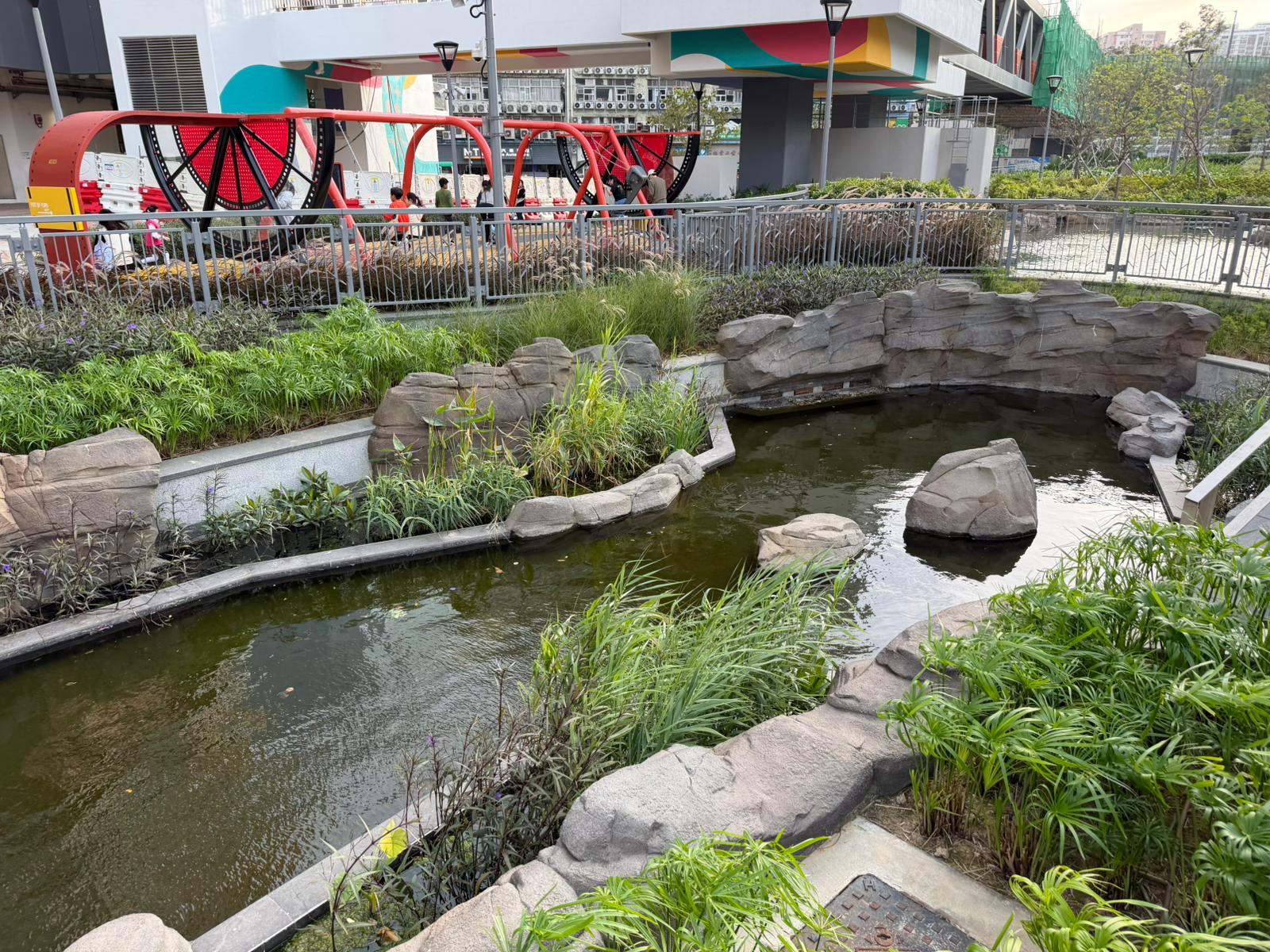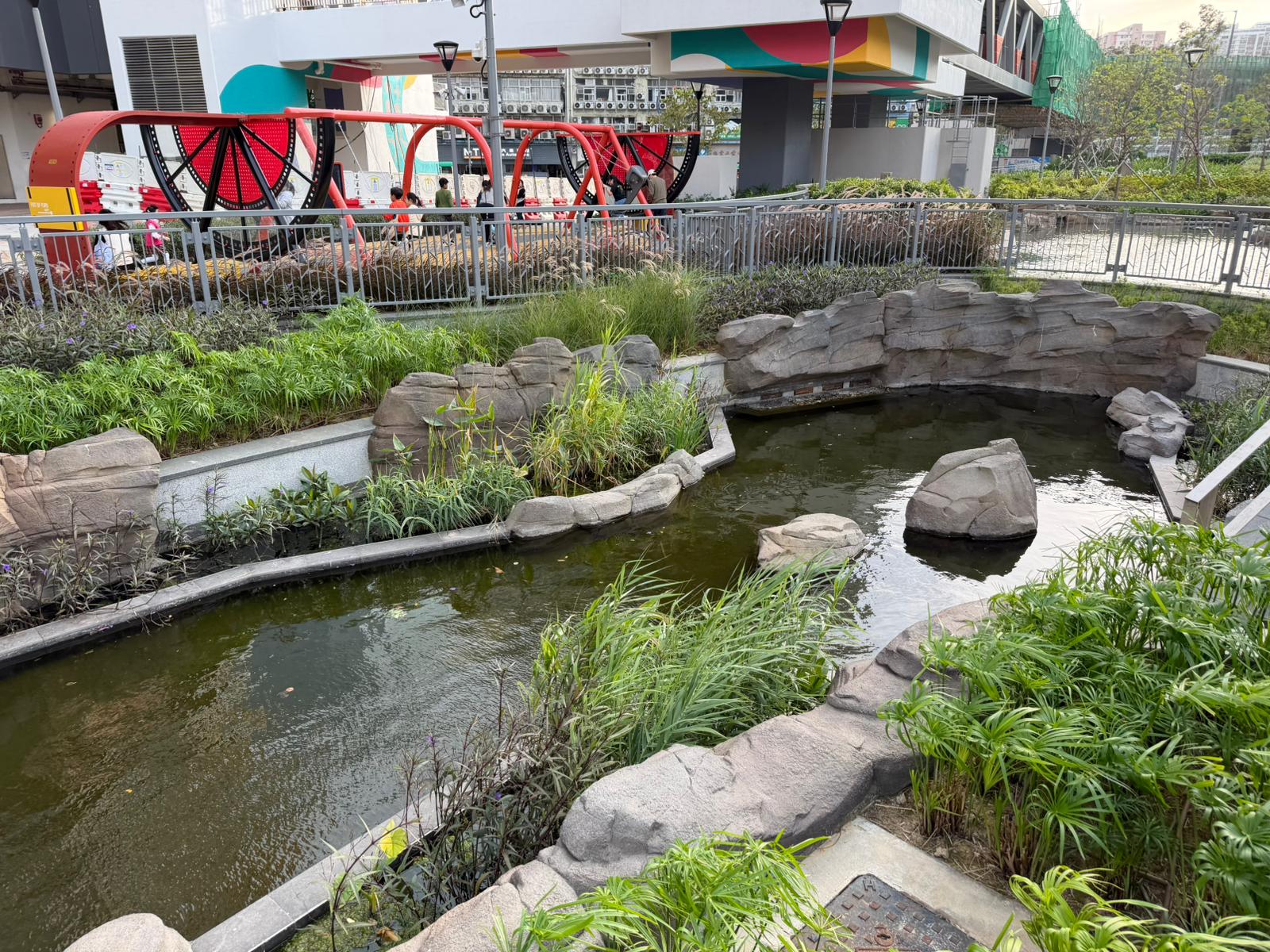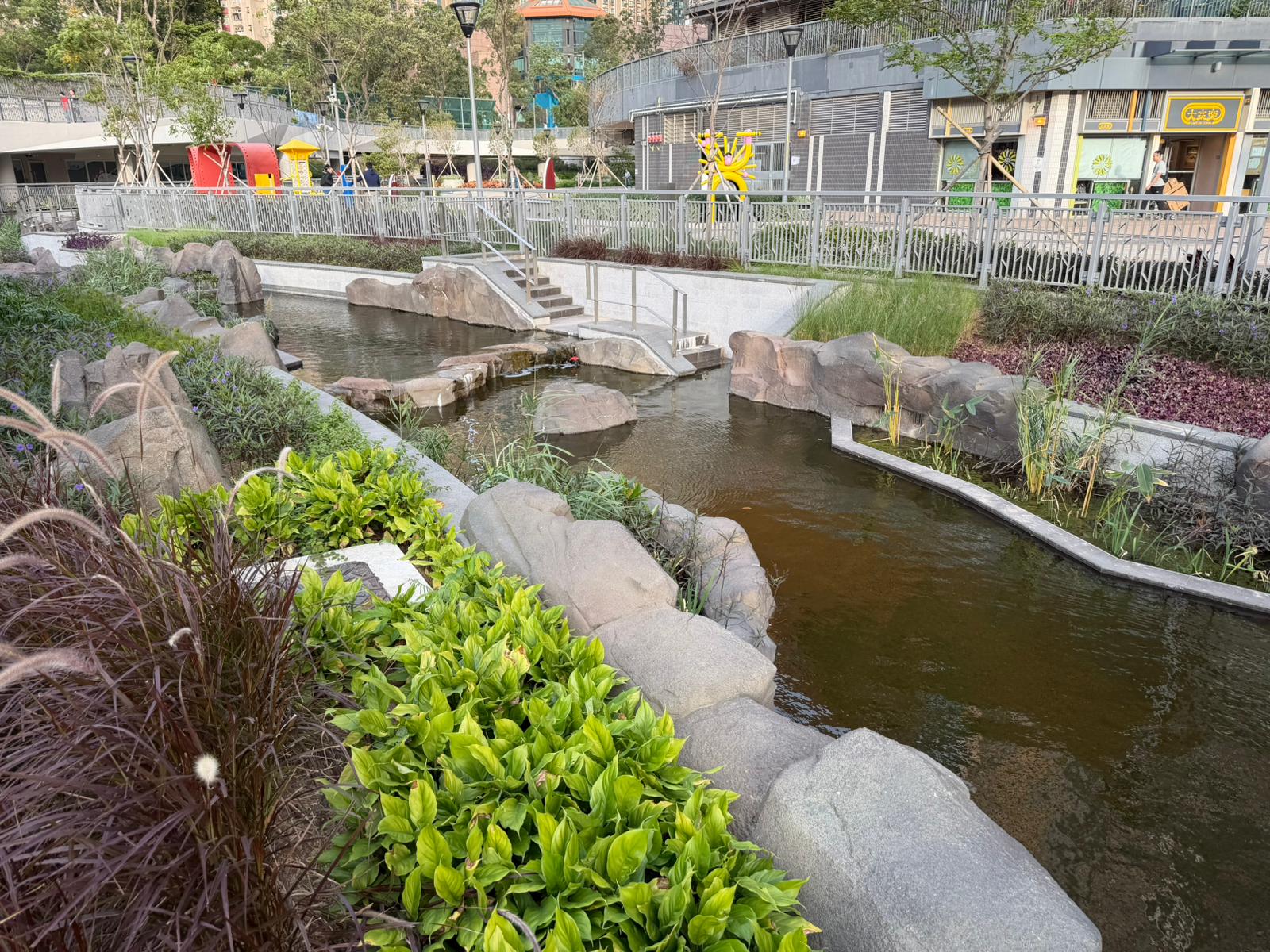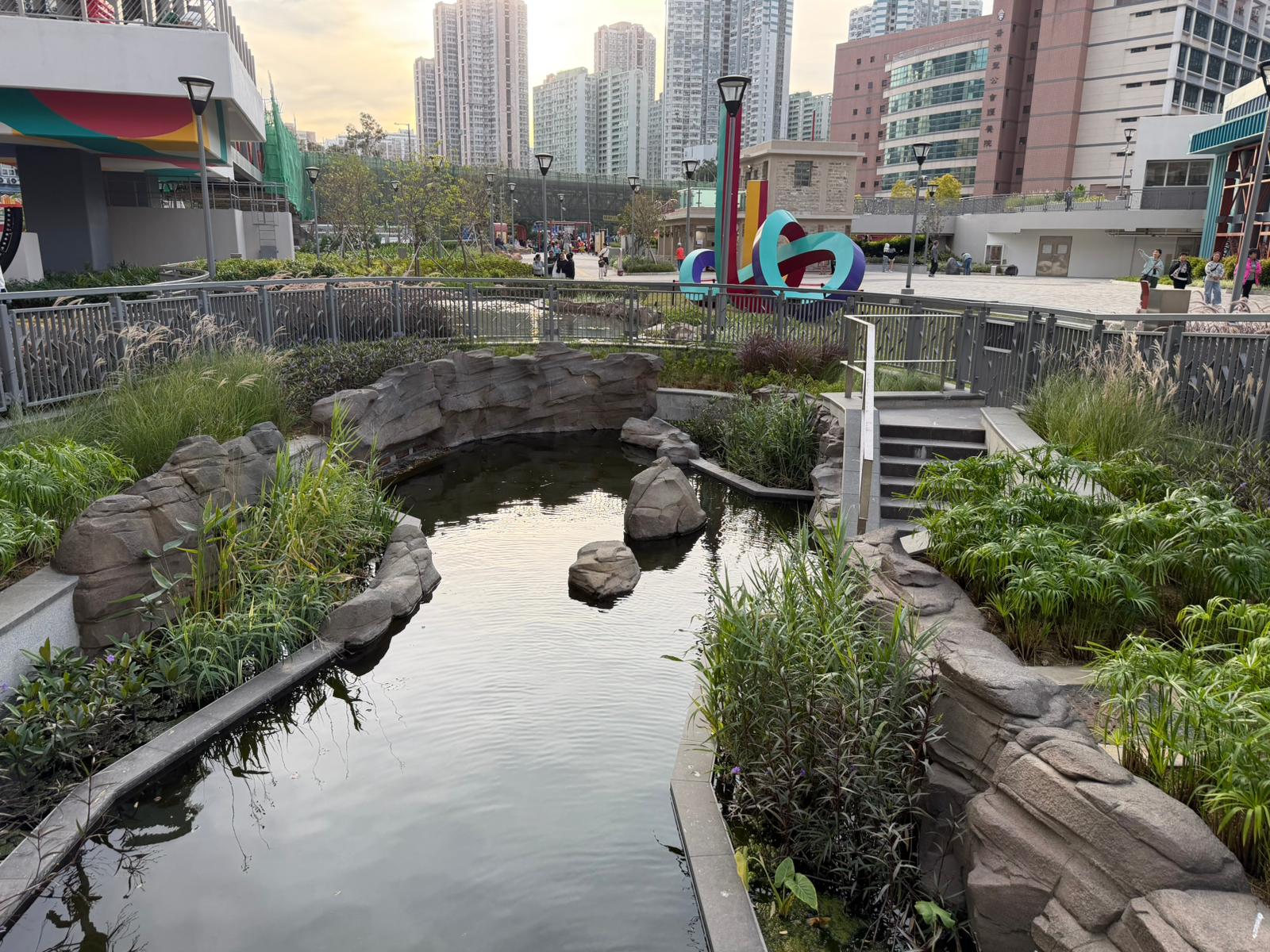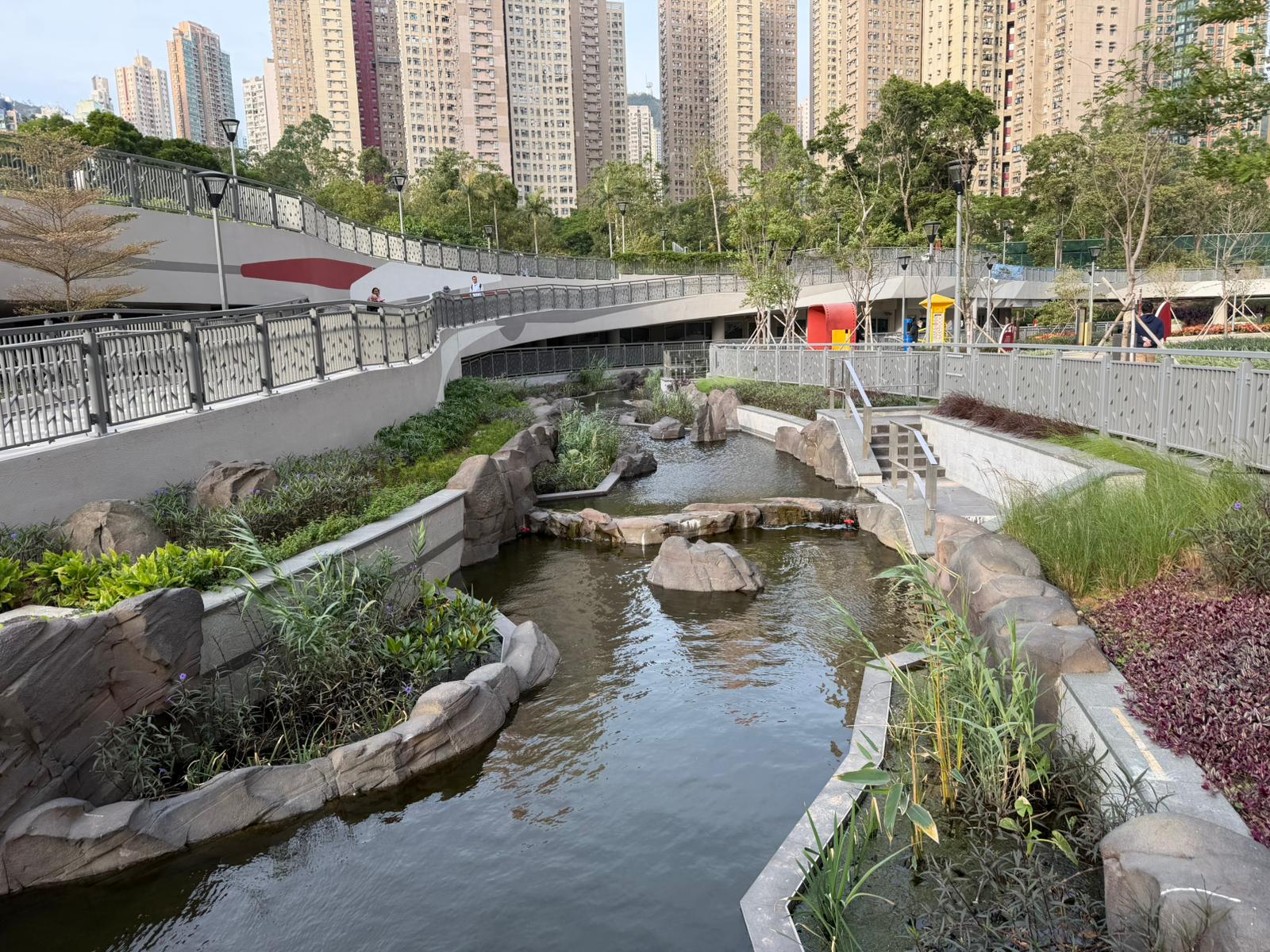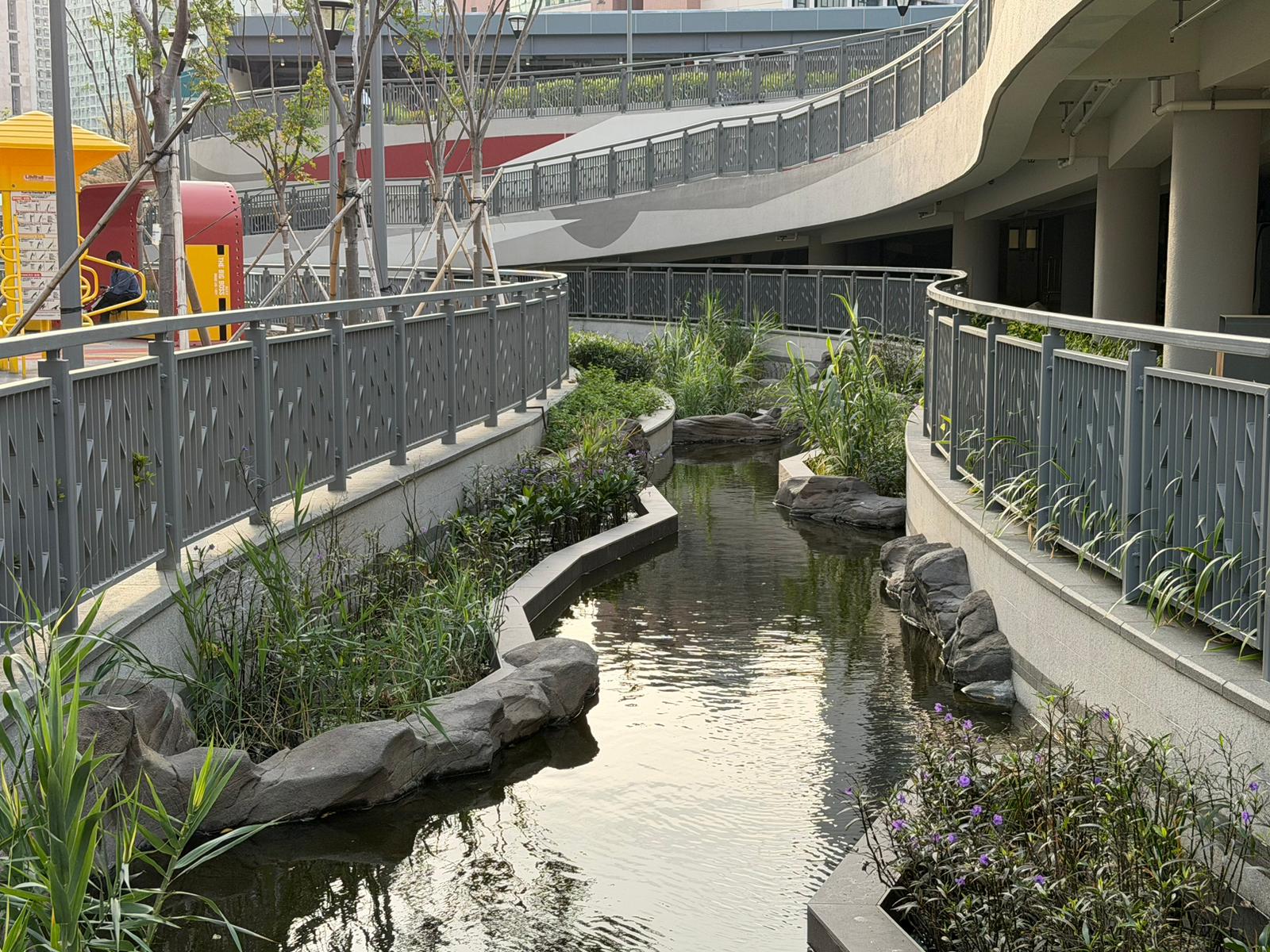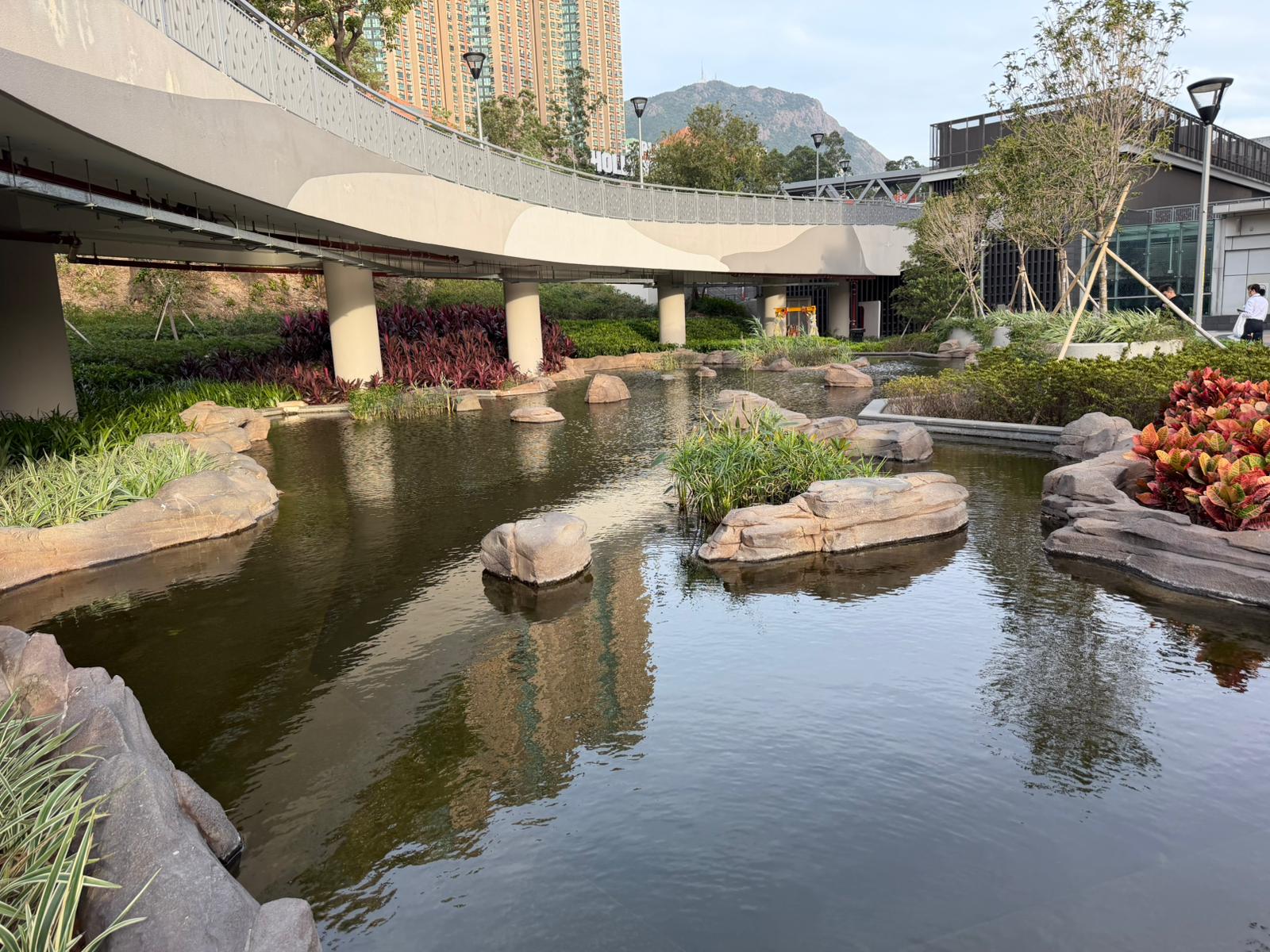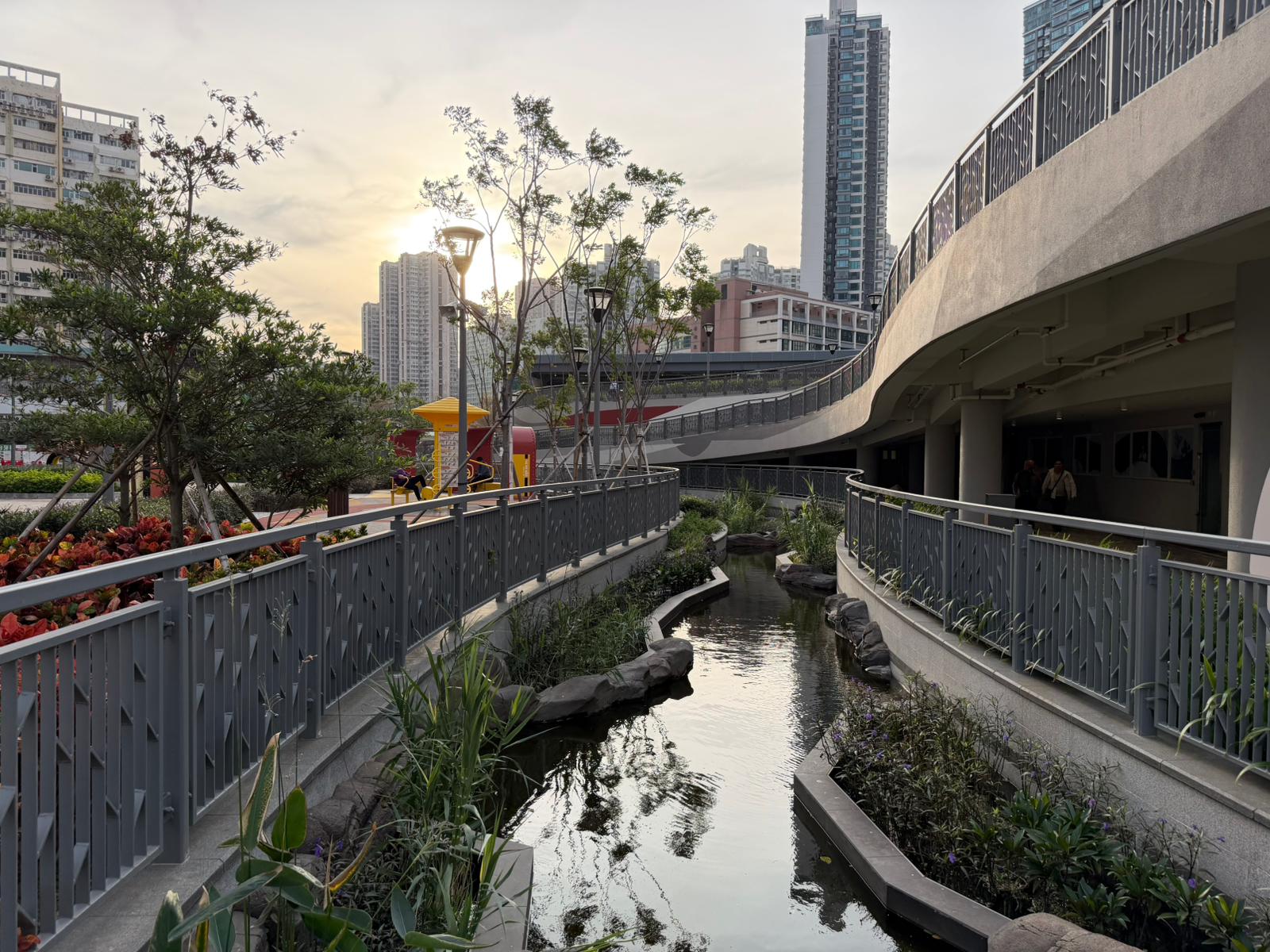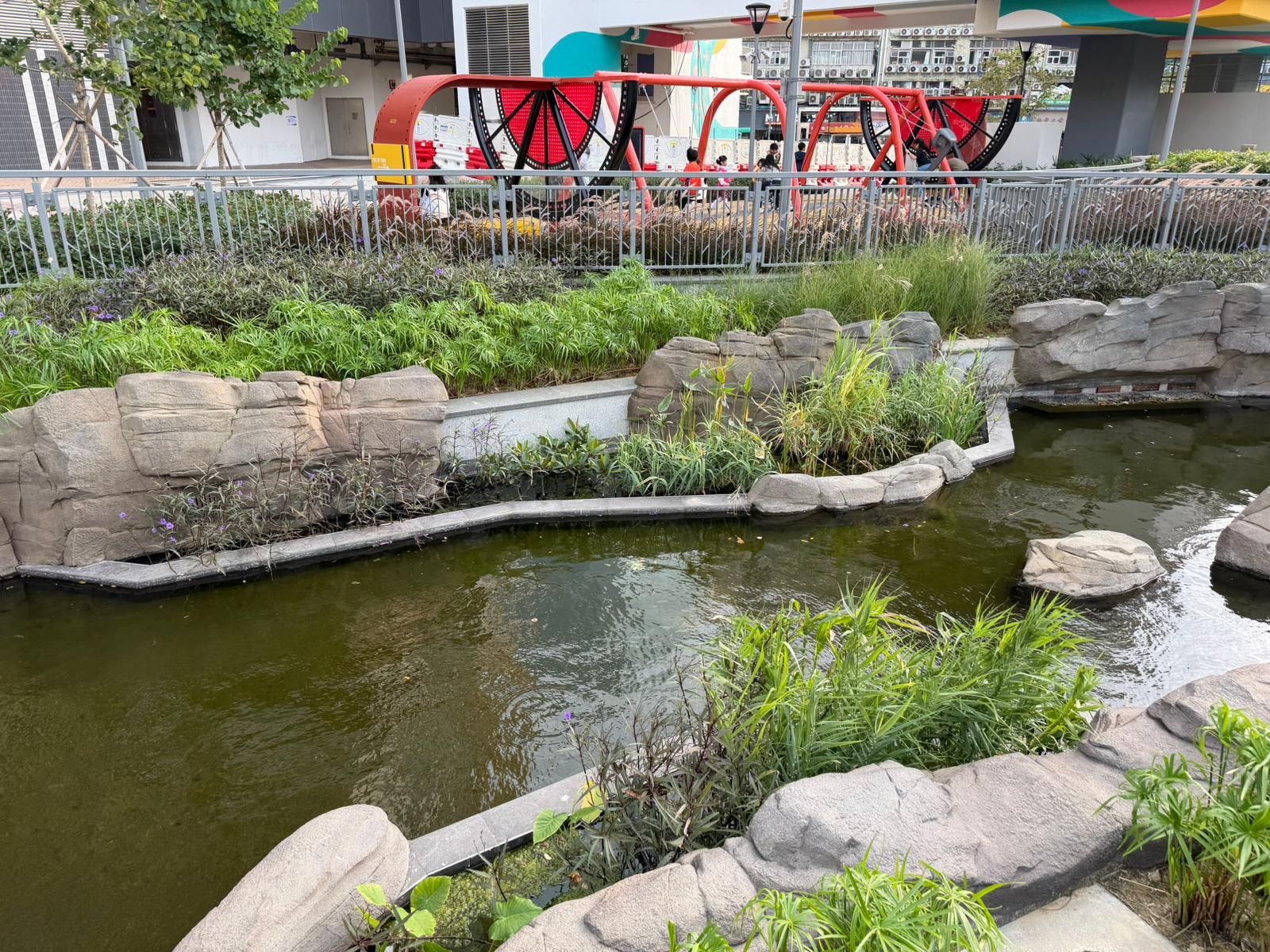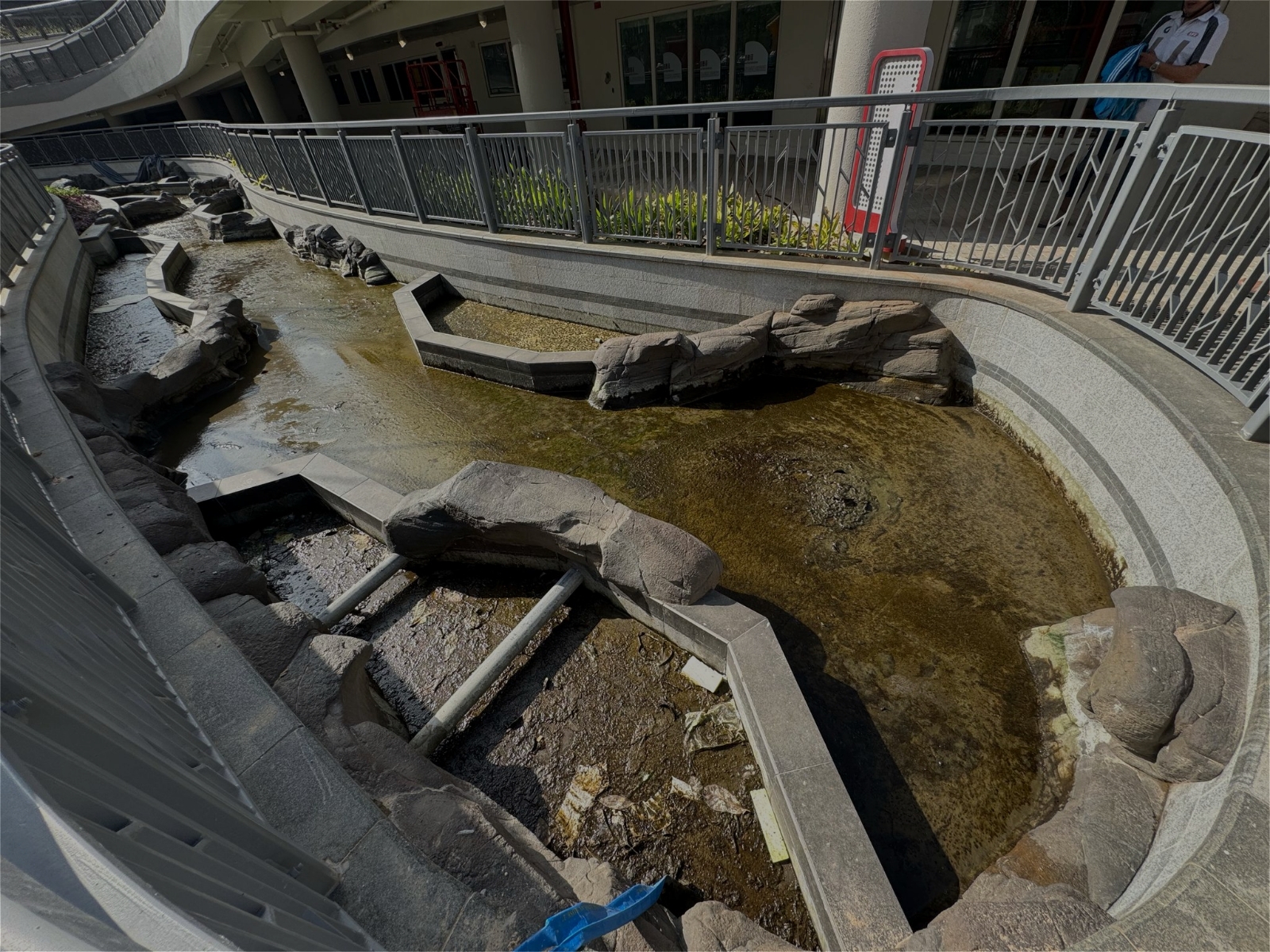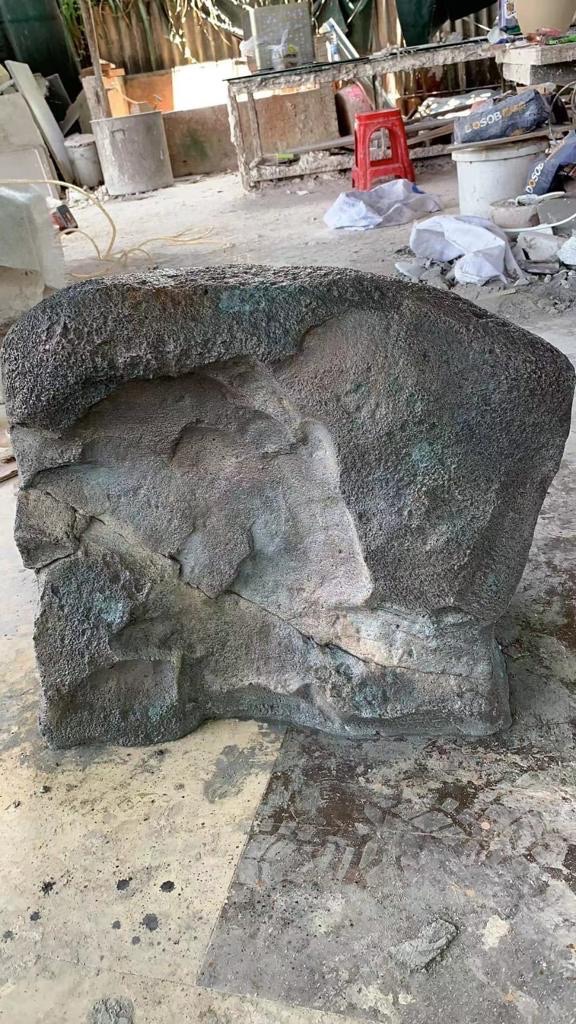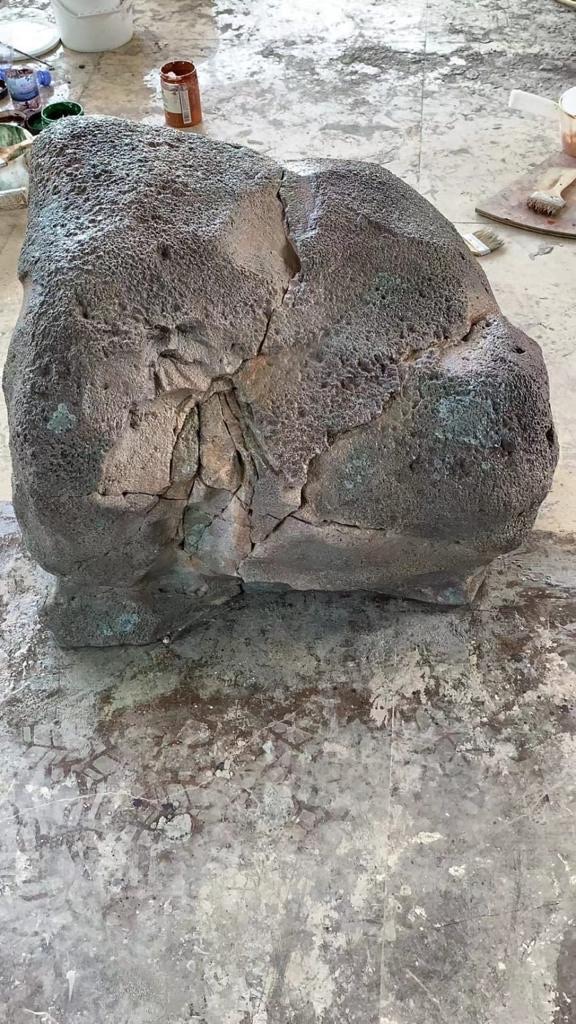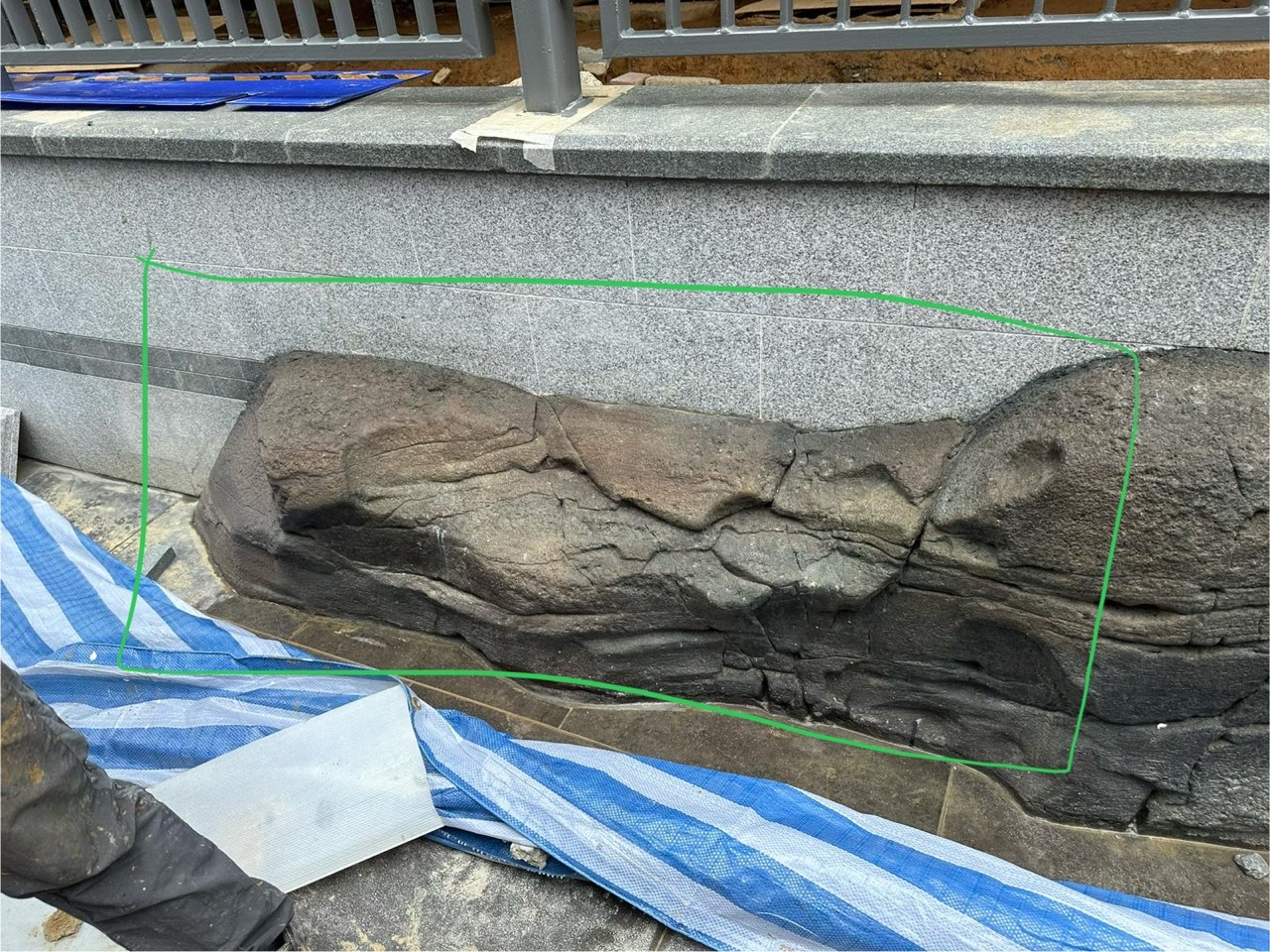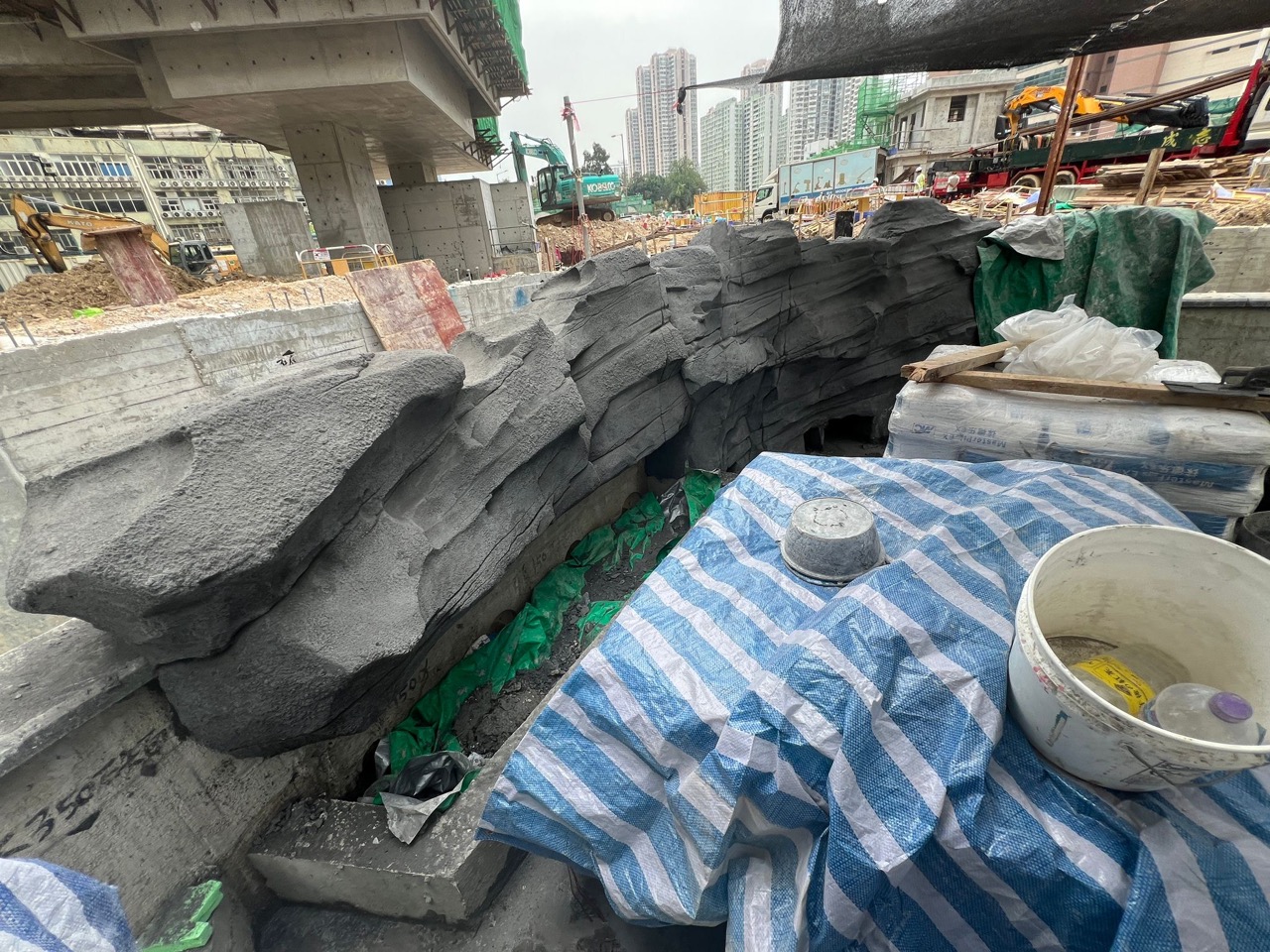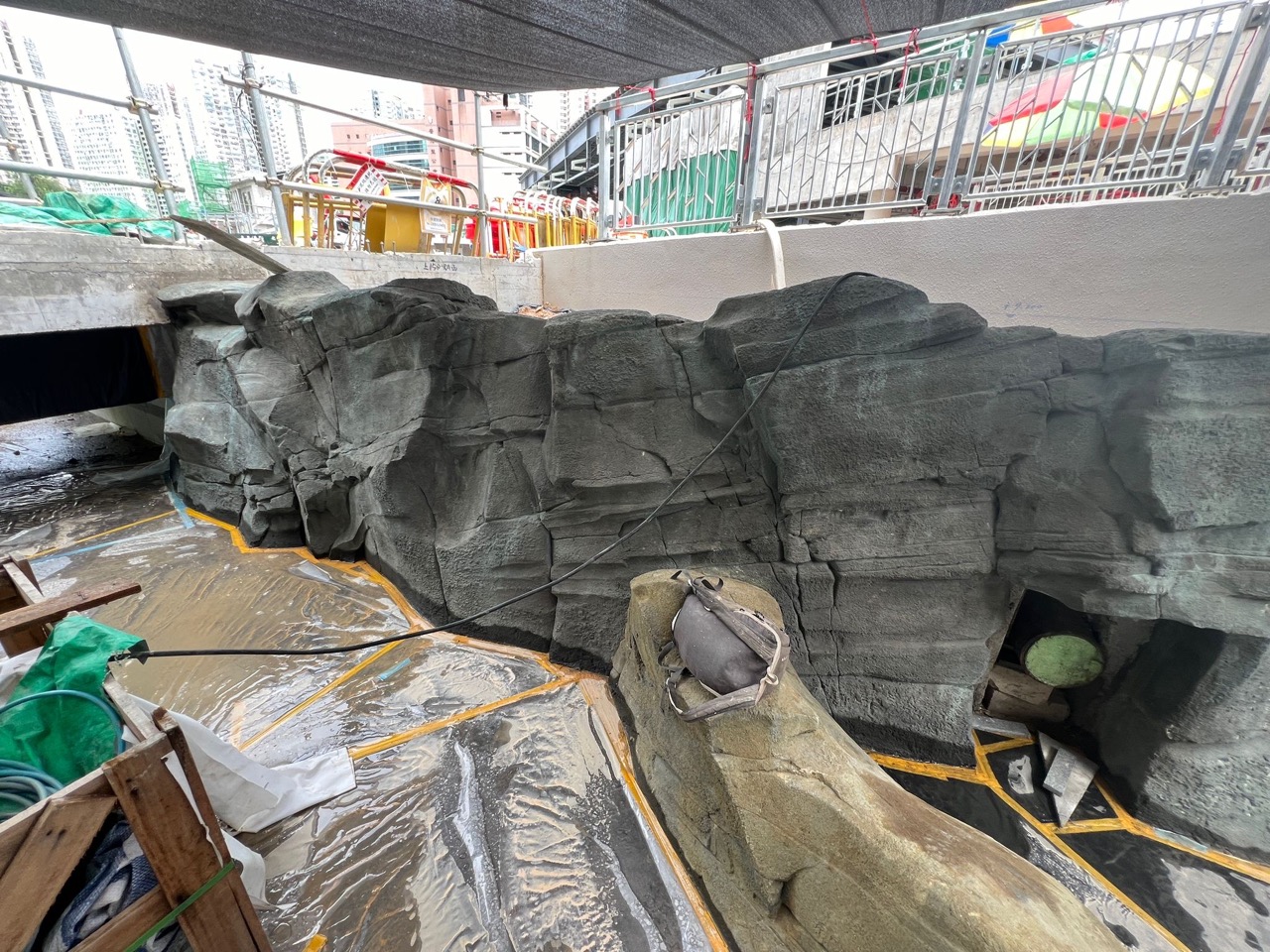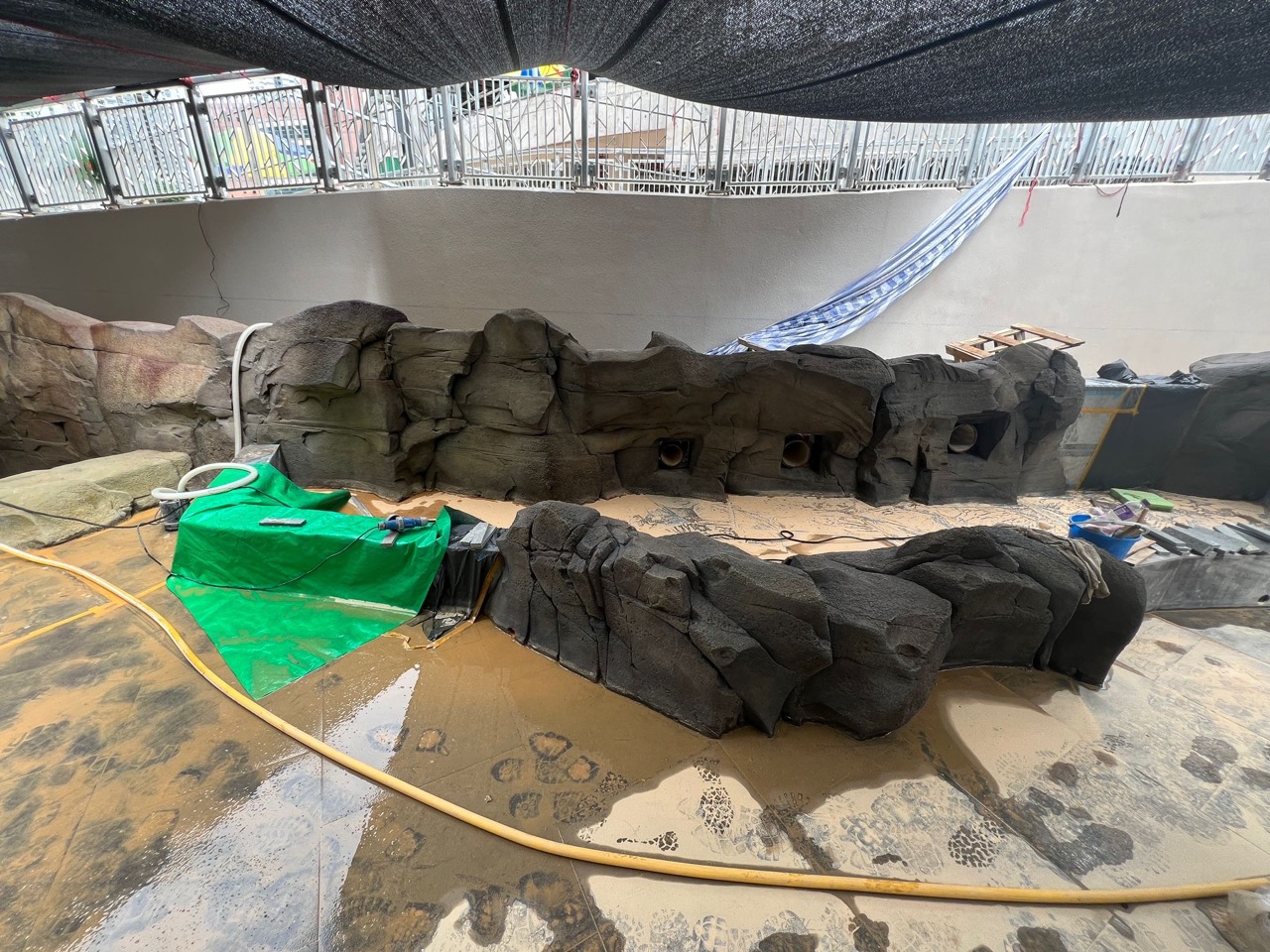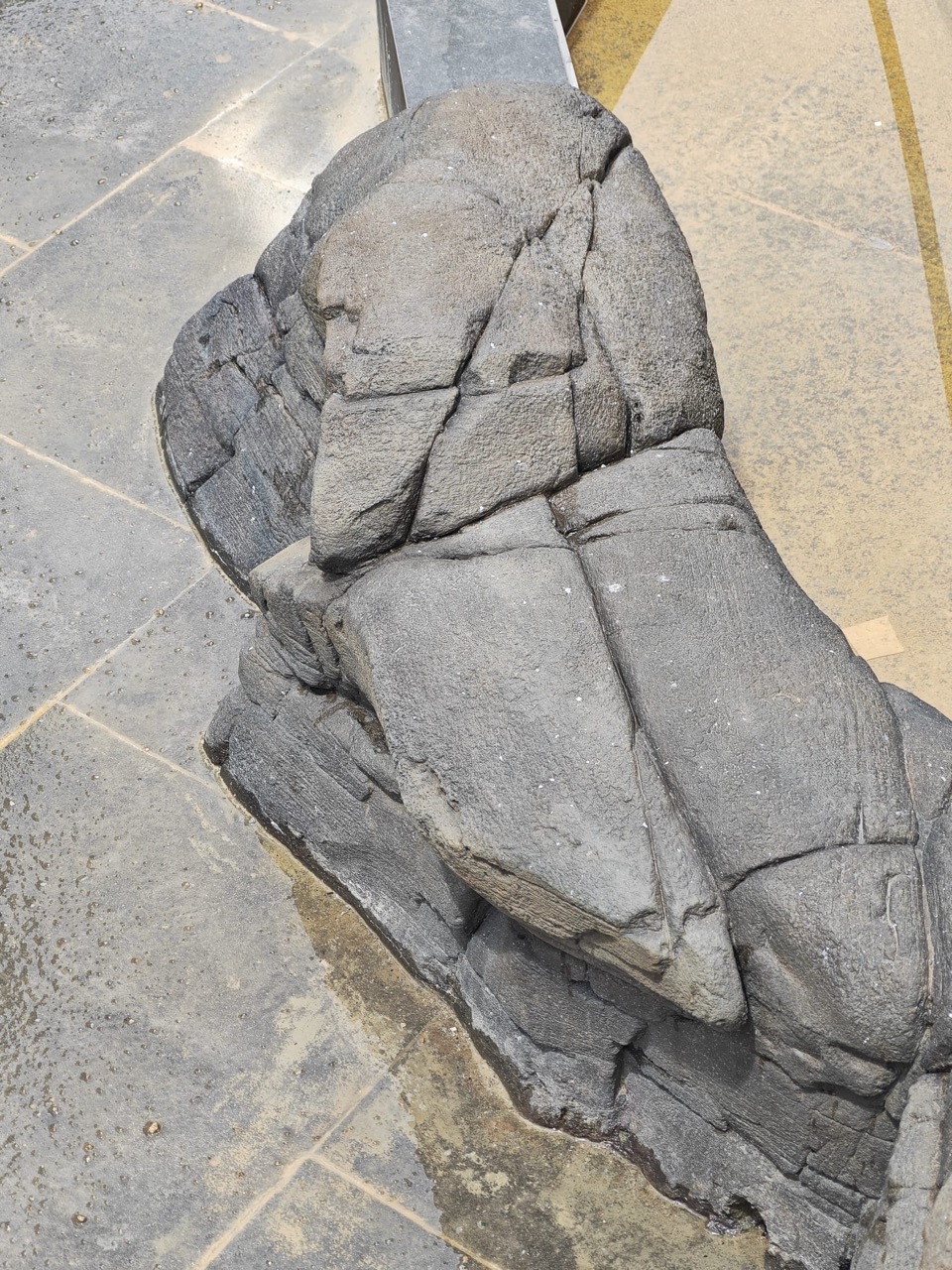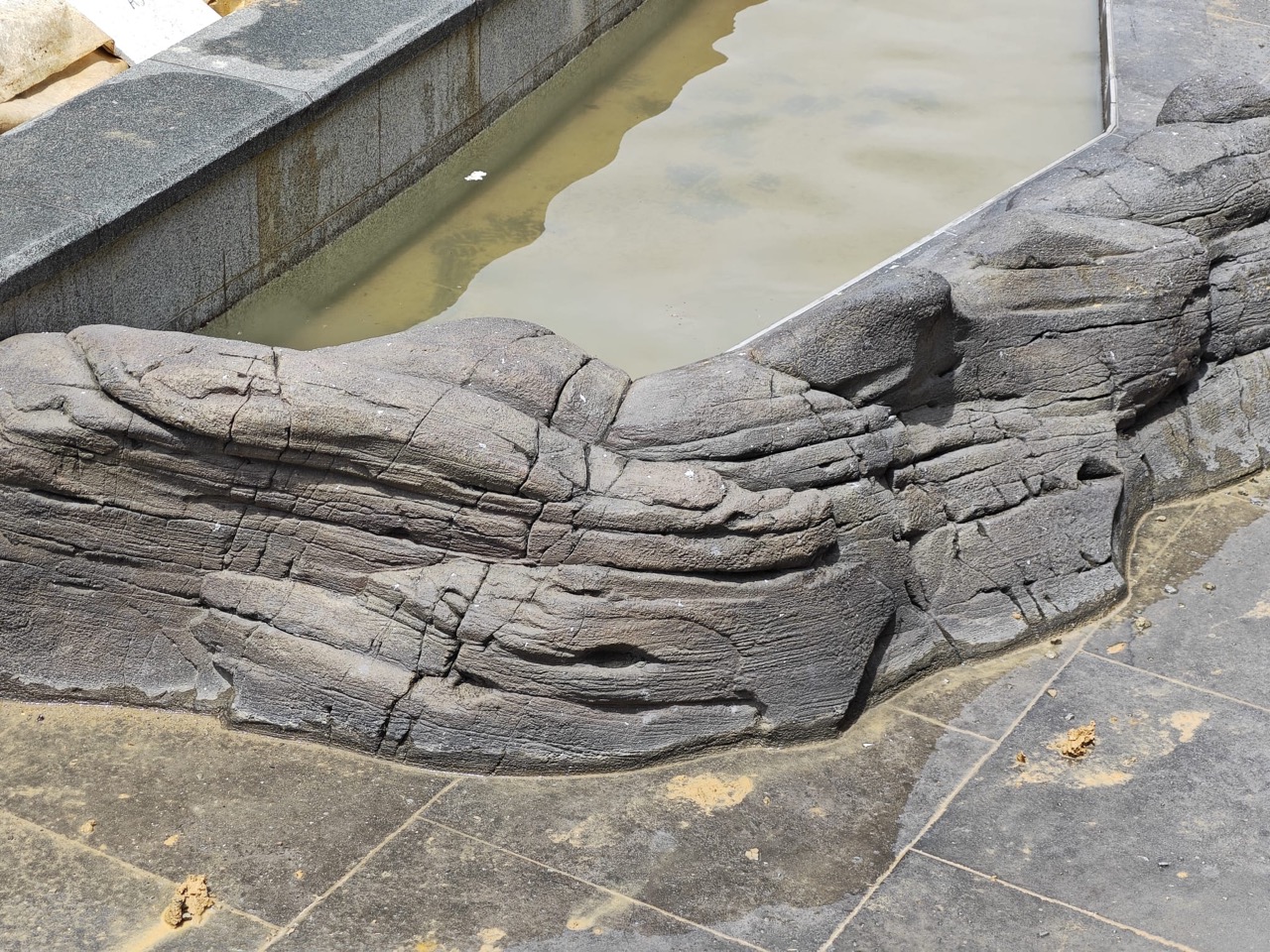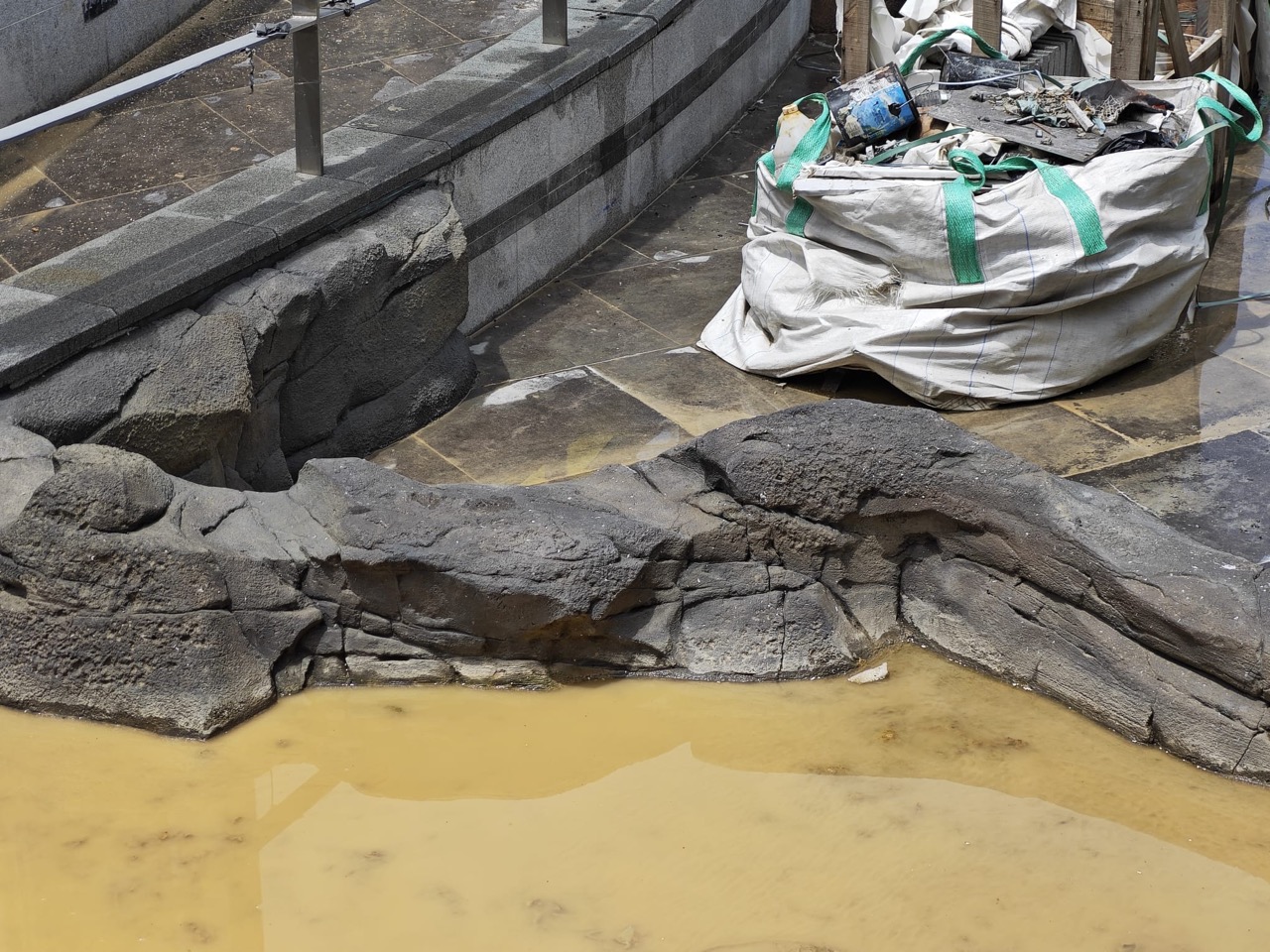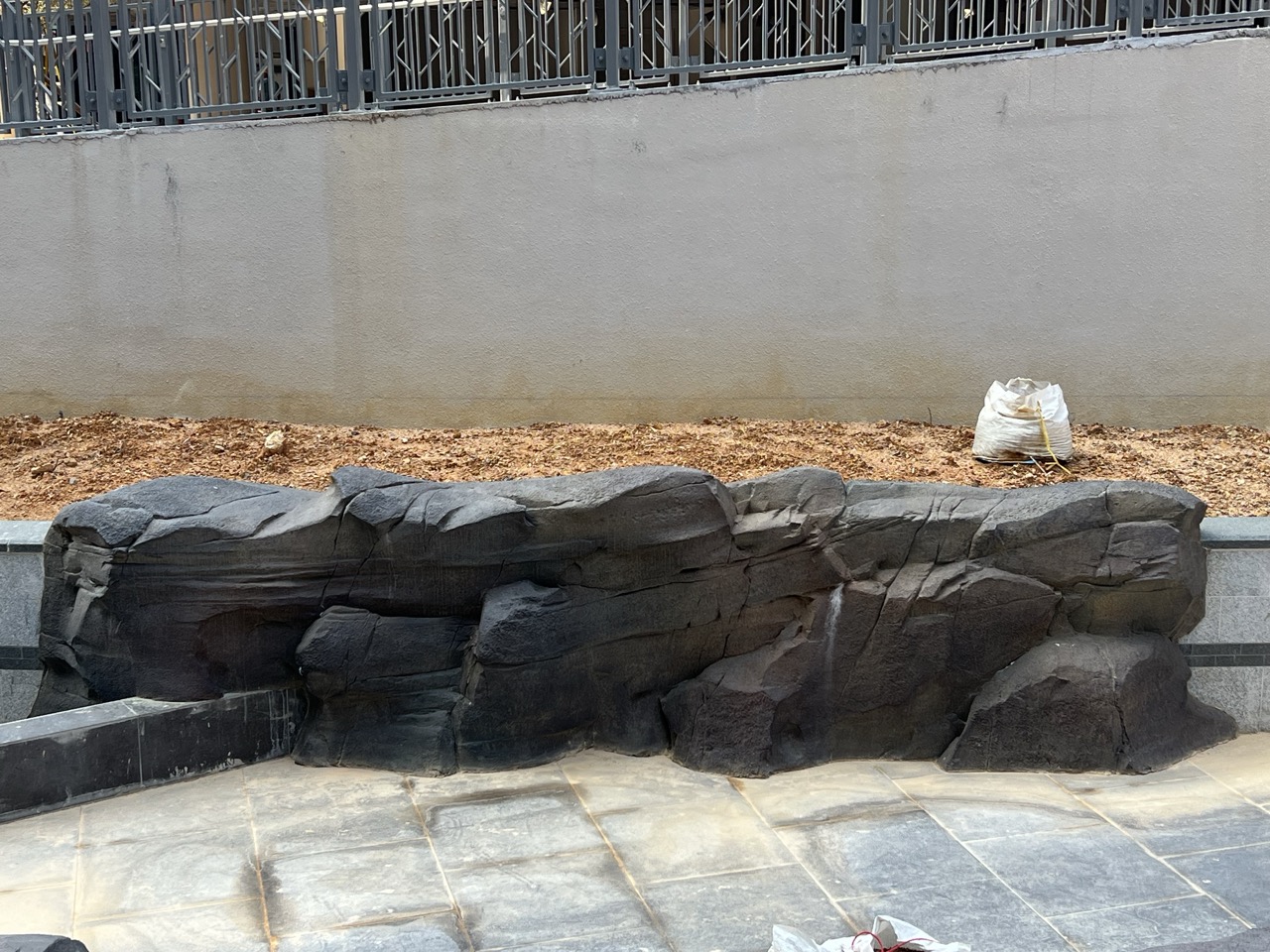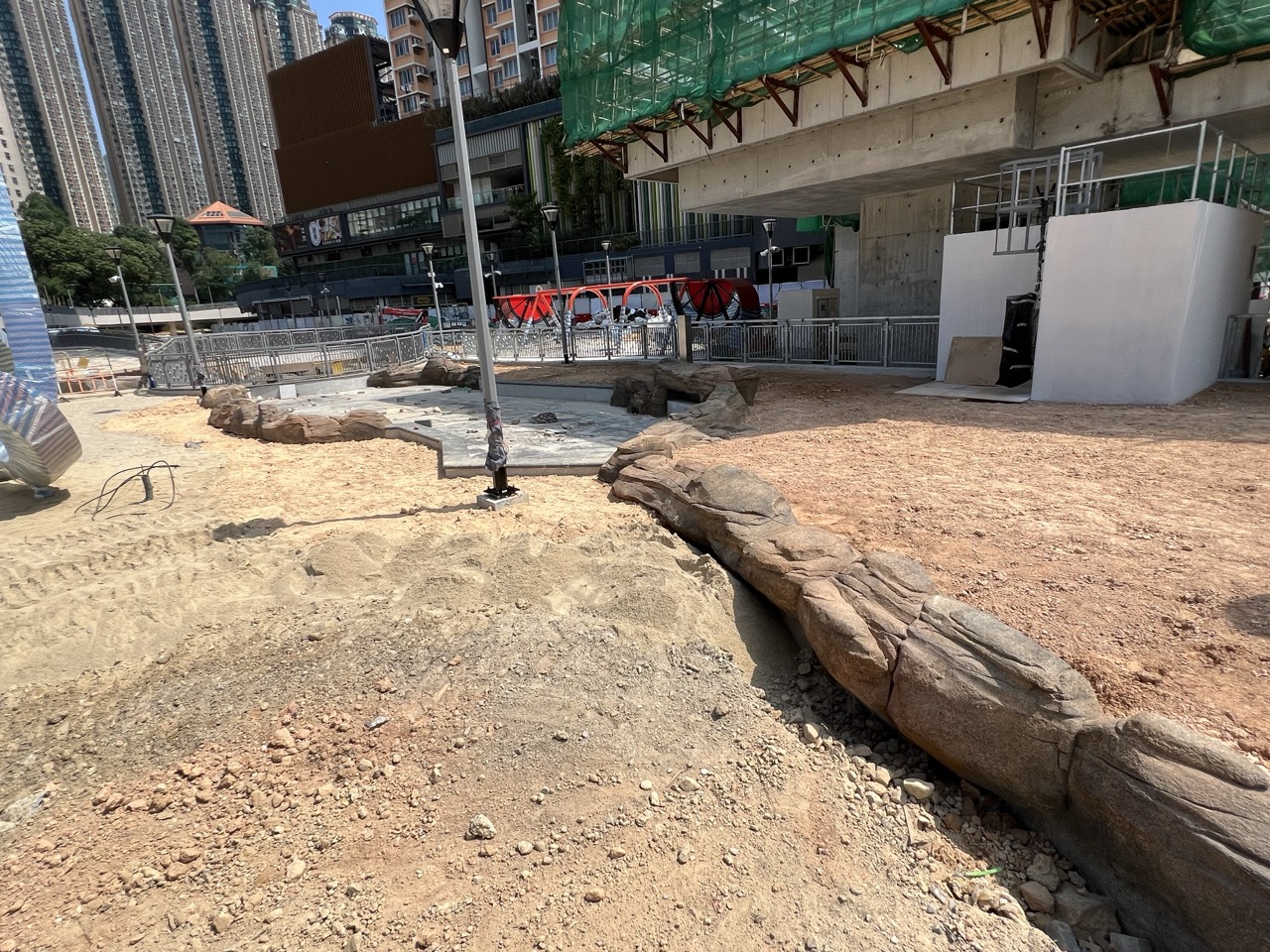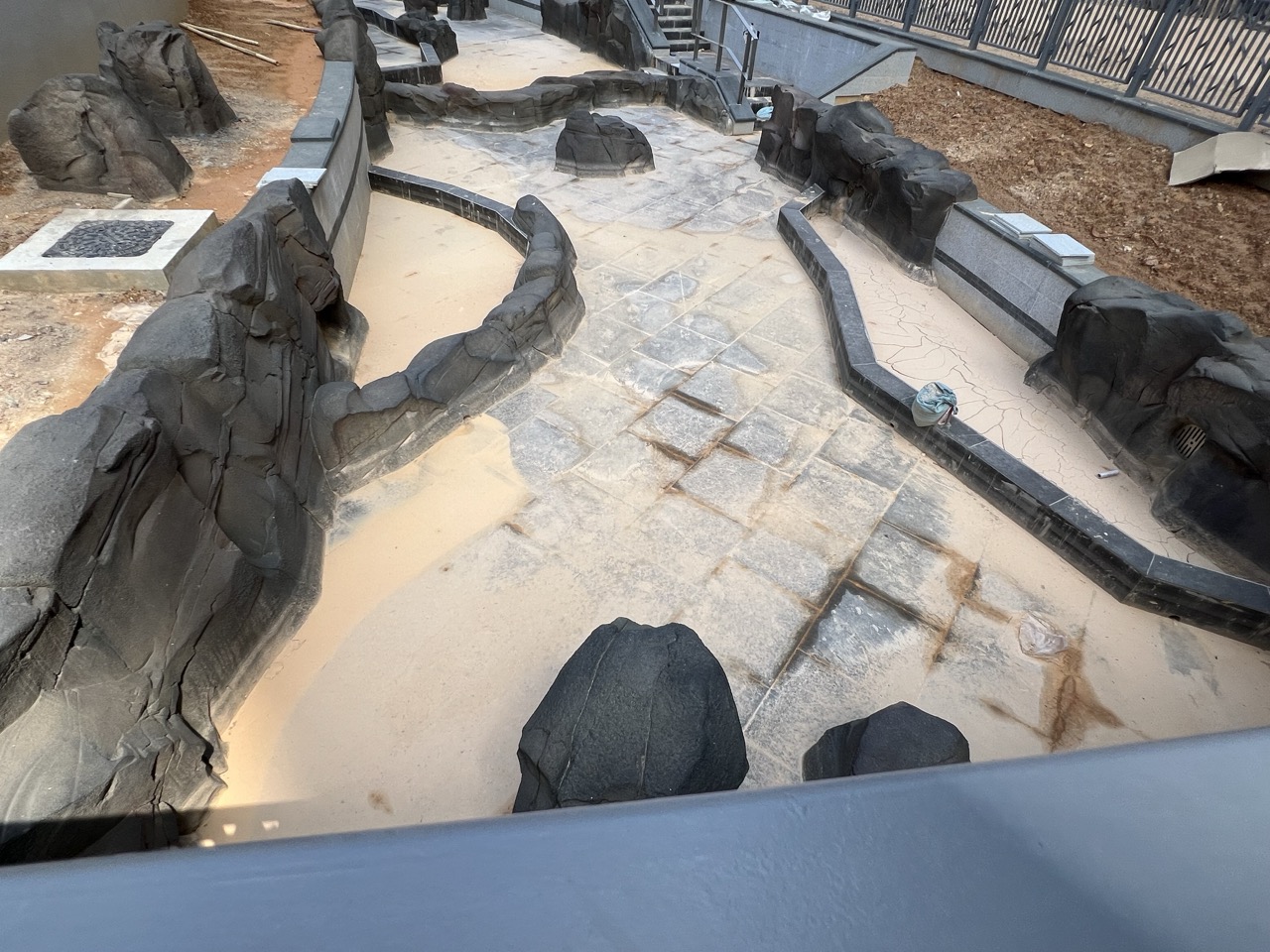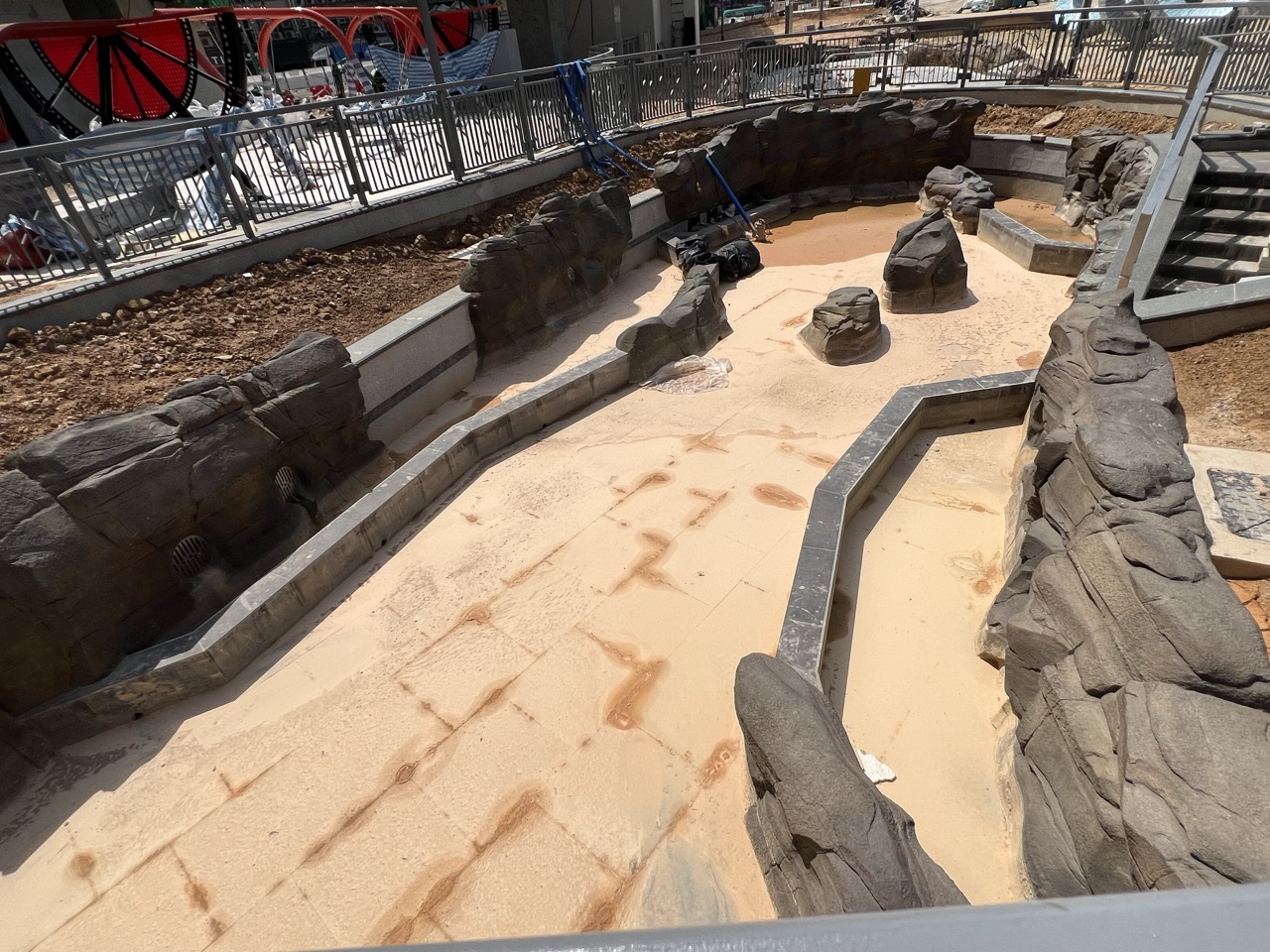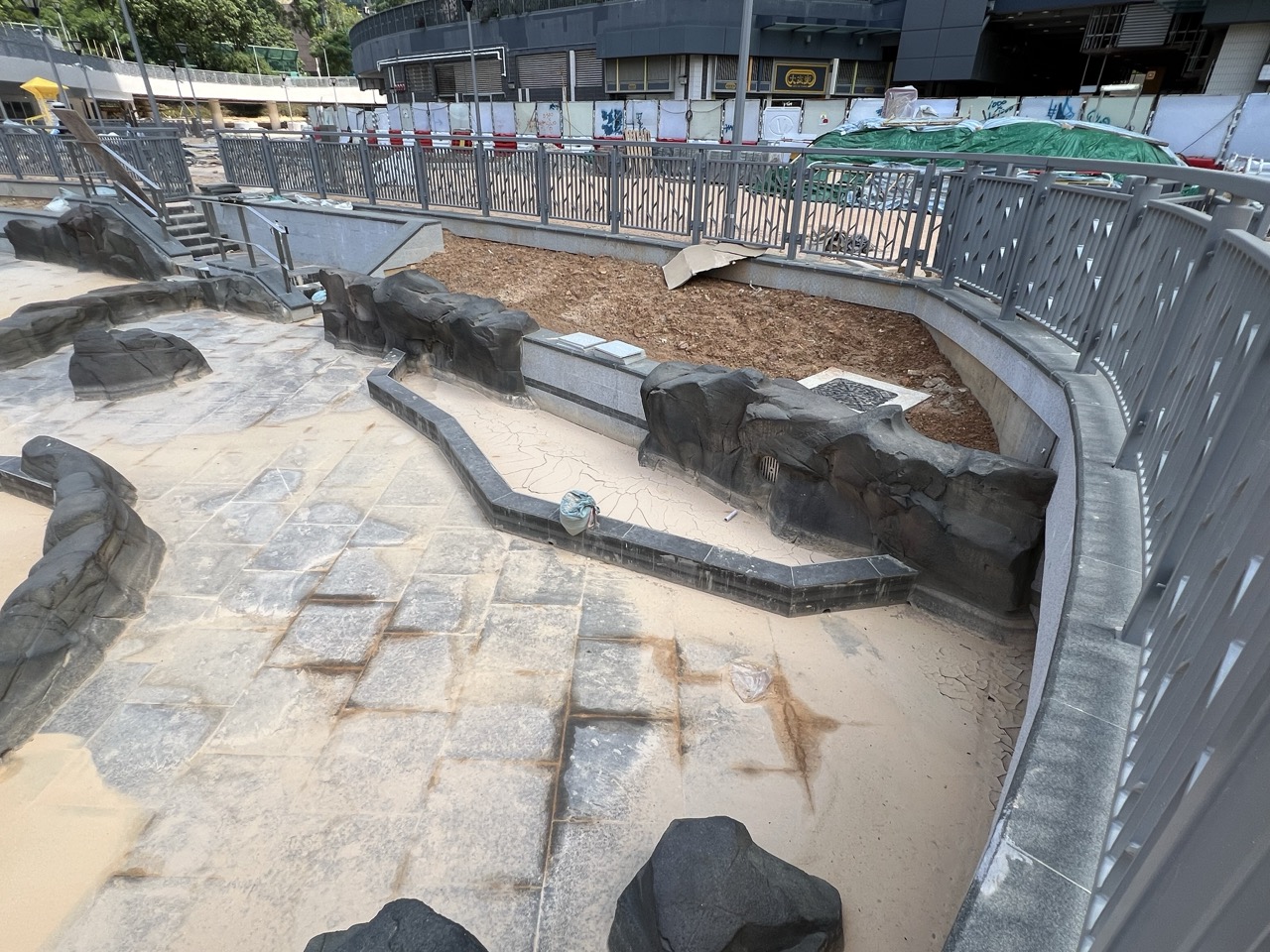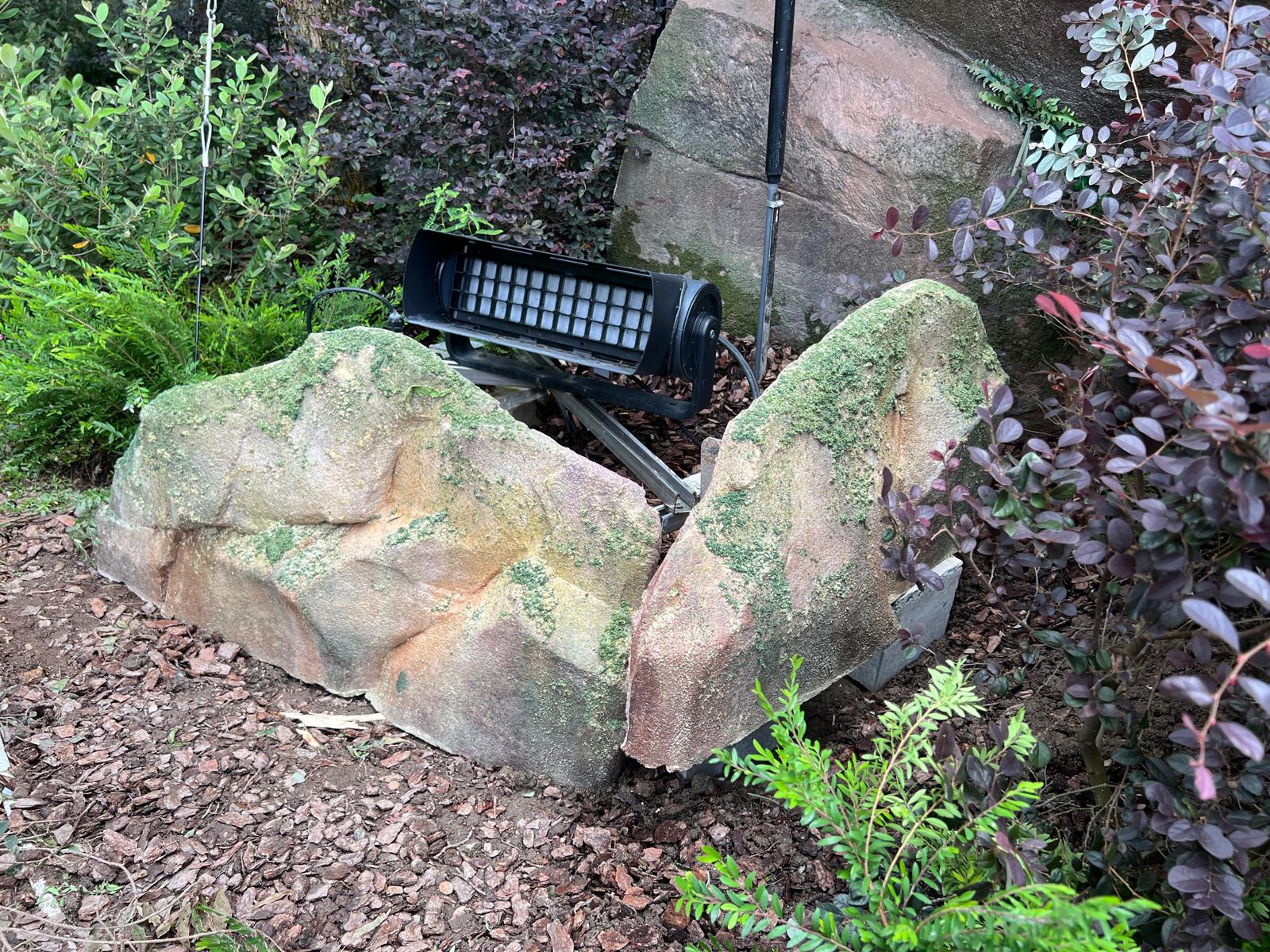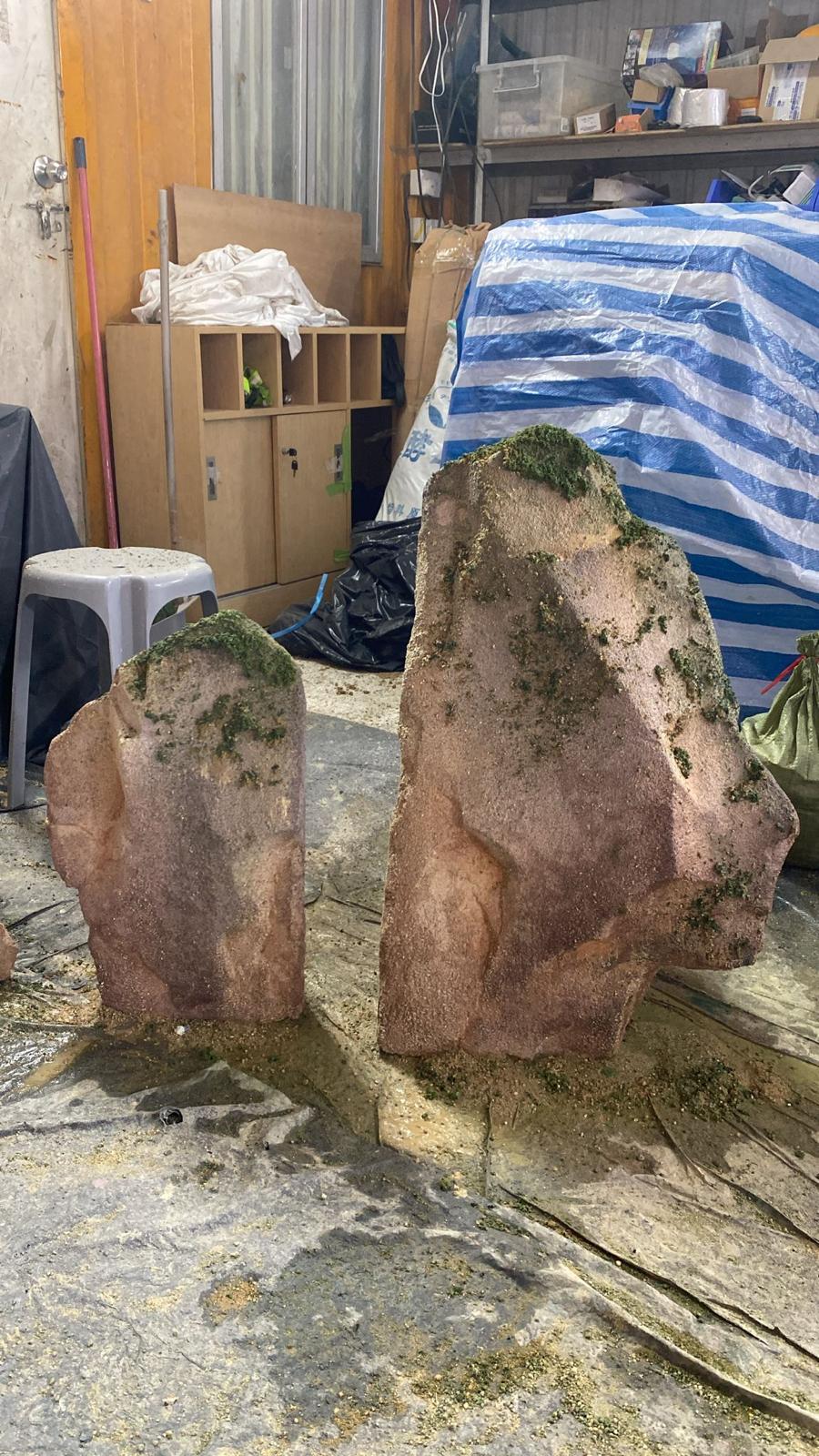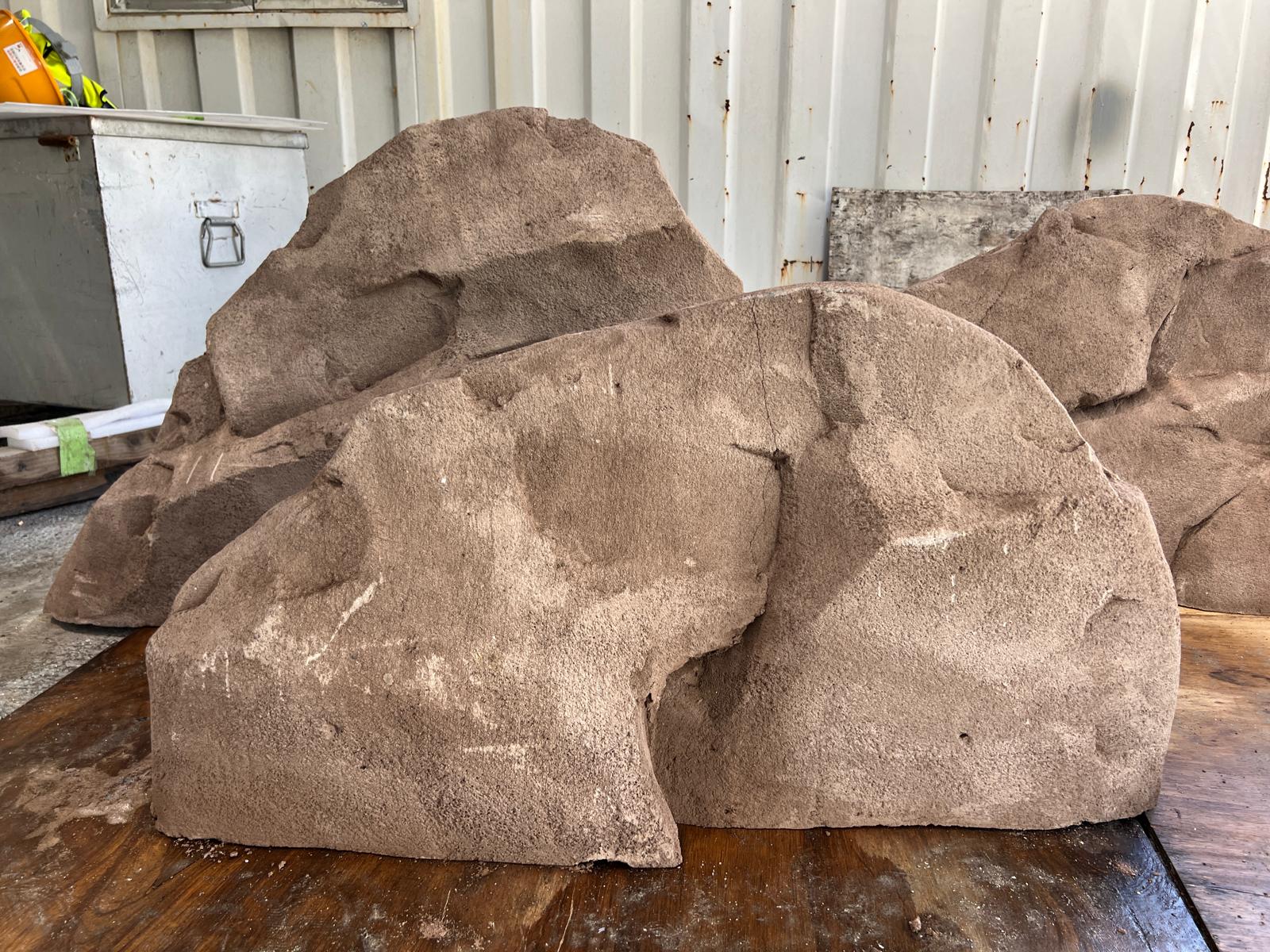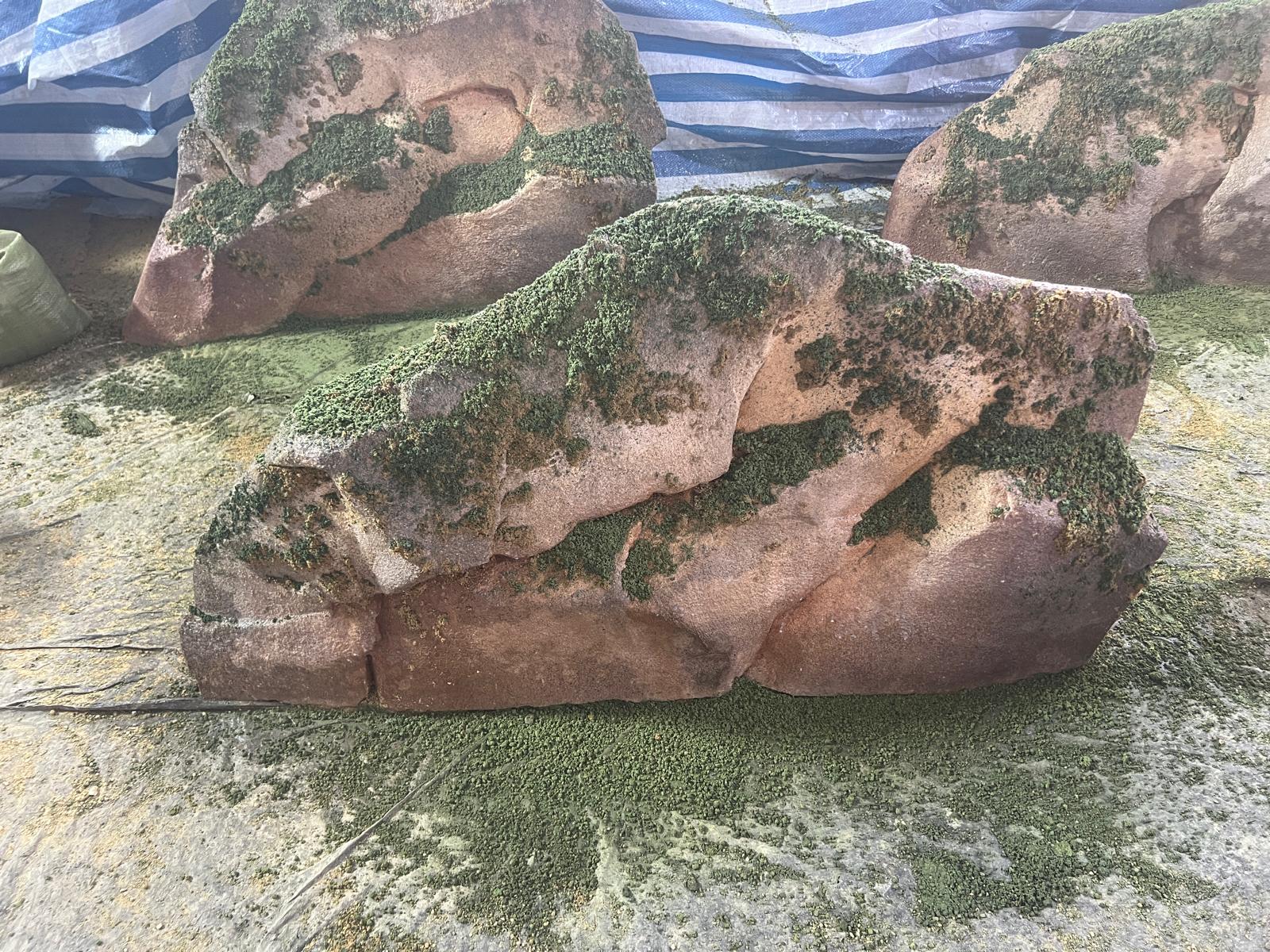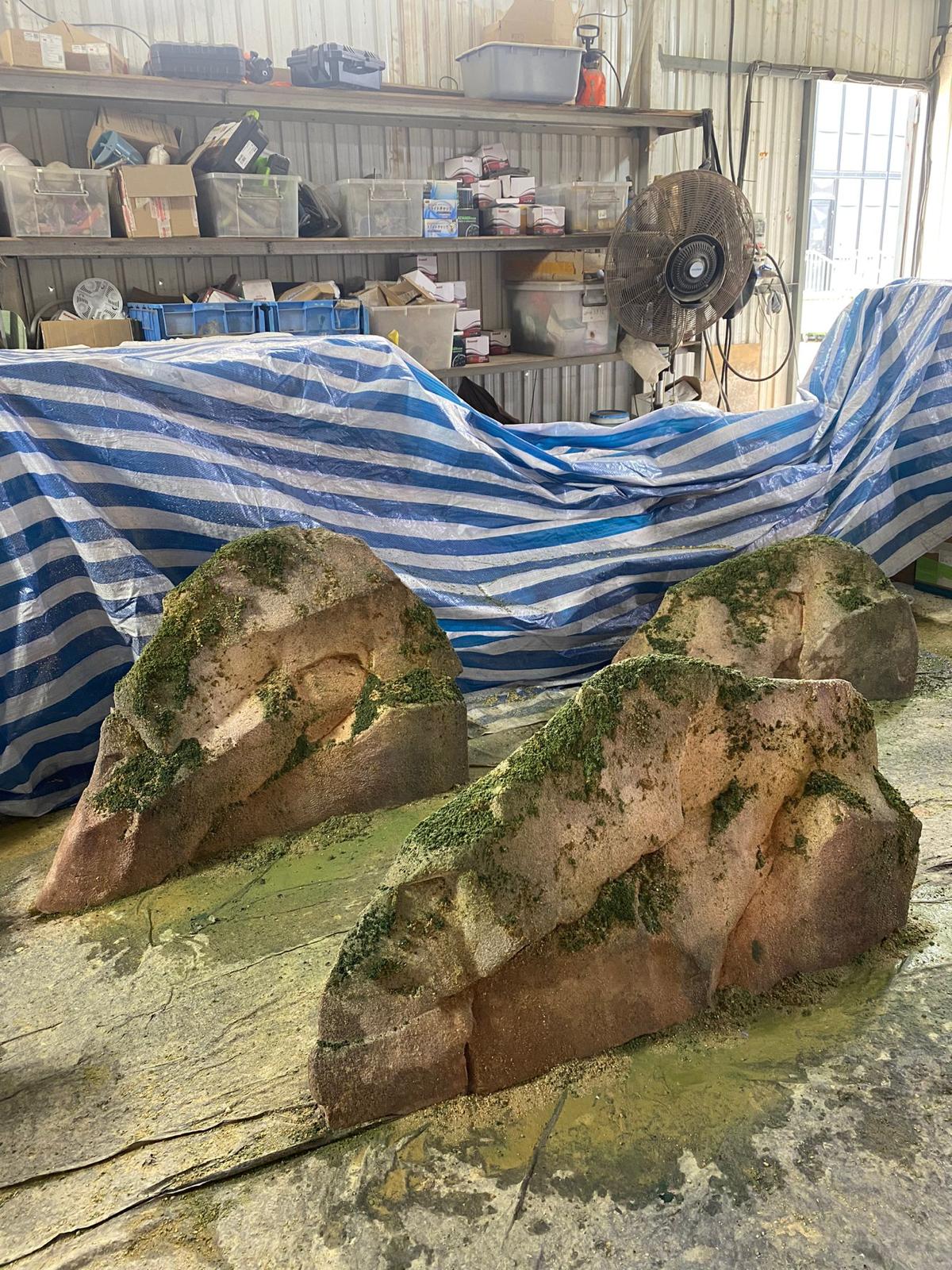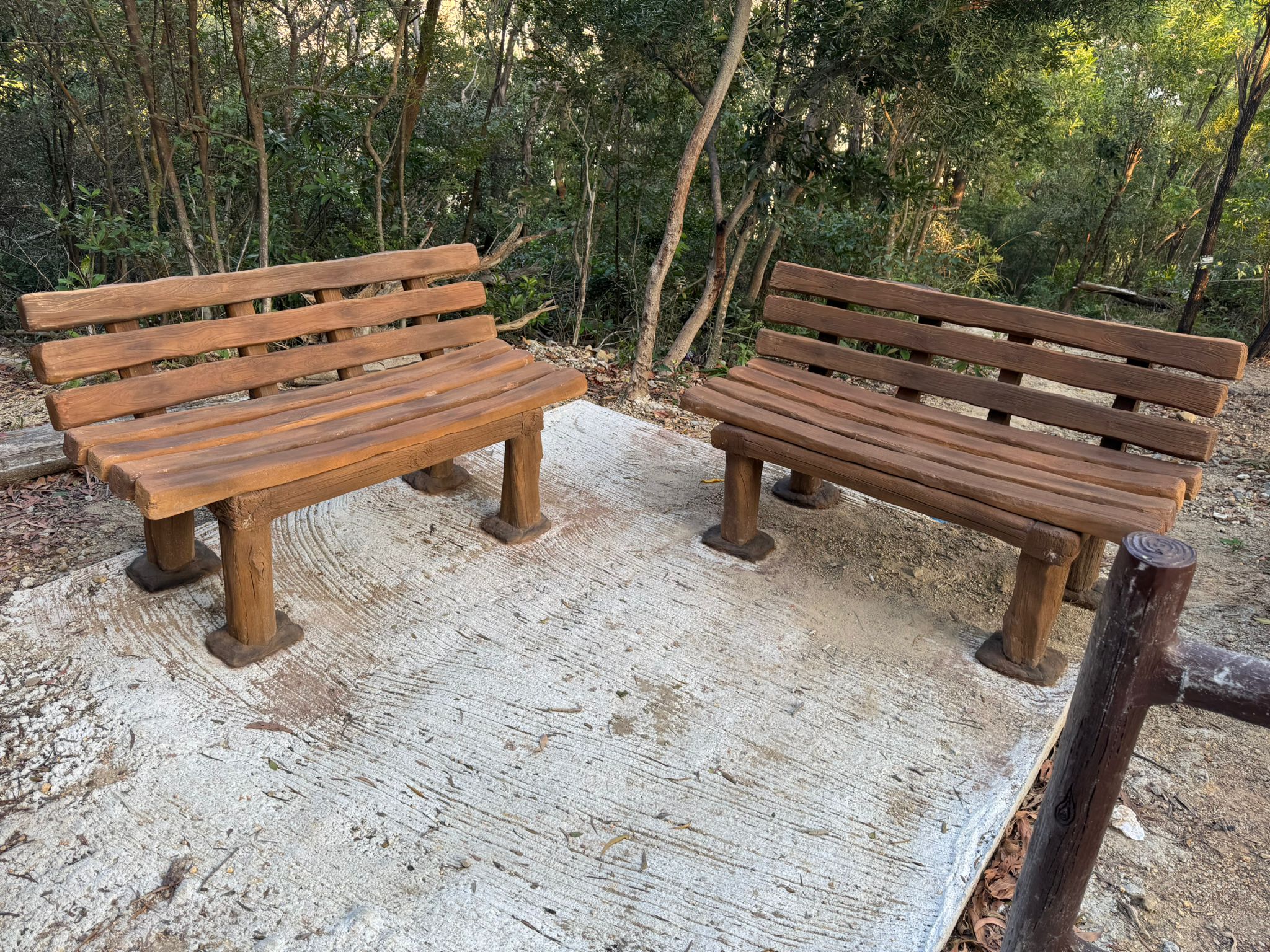

Artificial rock work is to the create of man-made structures designed to mimic the appearance and texture of natural rocks or geological formations. It’s often used in landscaping, zoos, aquariums, theme parks, or residential projects like pools and gardens to achieve a natural, rugged aesthetic without the challenges of sourcing and moving real stone. The process typically involves
- Framework: Building a base structure with materials like rebar, metal mesh, or wood to define the shape.
- Material Application: Applying a mixture, often cement-based (like concrete or mortar), sometimes with additives like polymers or fiberglass for strength and flexibility.
- Sculpting and Texturing: Hand-carving or using molds to replicate natural rock features—crags, fissures, or smooth surfaces—while the material is still workable.
- Finishing: Coloring with stains, paints, or pigments and sealing to enhance realism and durability.
Artificial rock work to create a lightweight, custom-shaped cascade that looks like a natural boulder but is easier to install and maintain. It’s a blend of engineering and artistry, prioritizing both form and function
Theme Cement Plastering
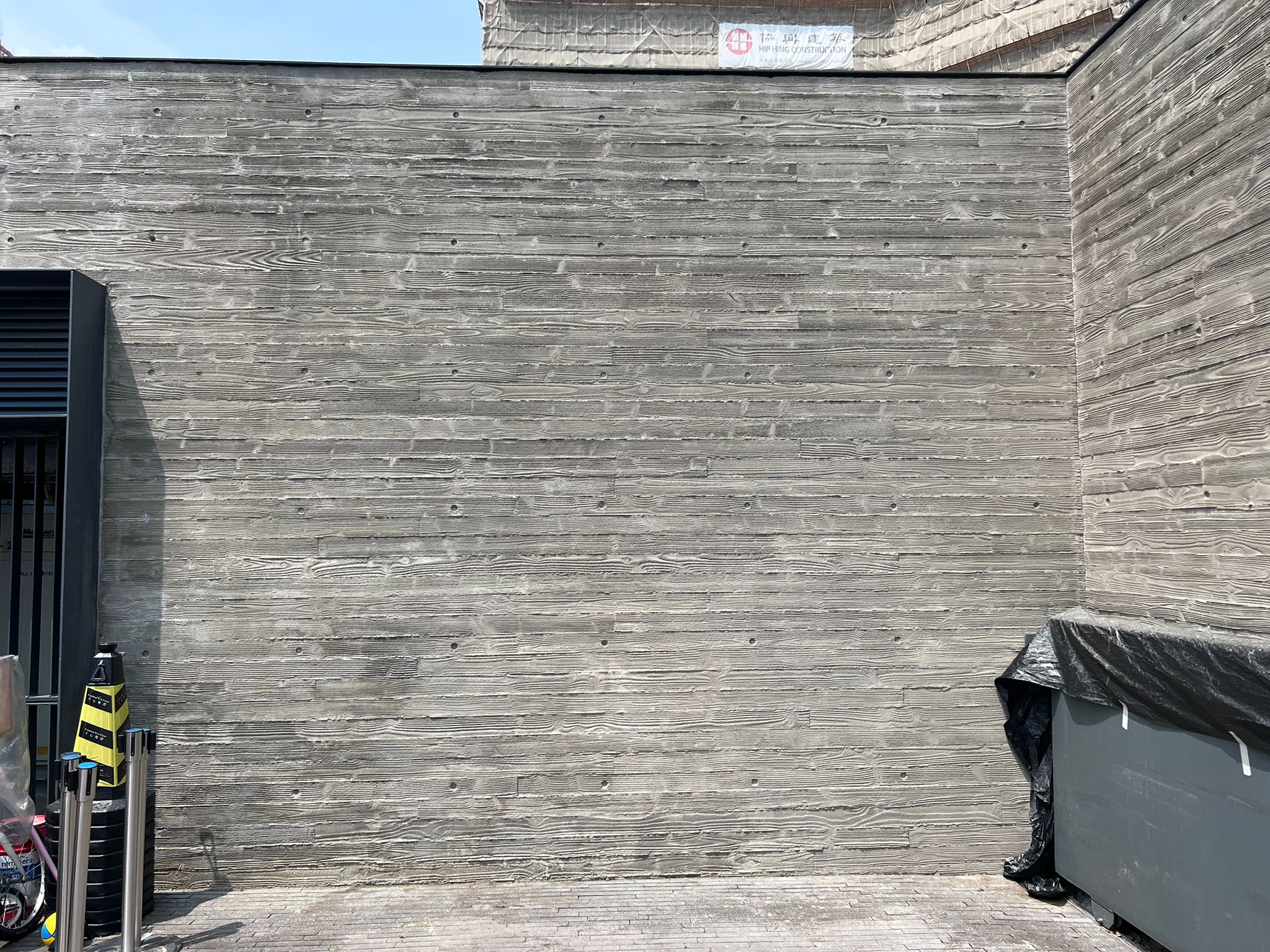
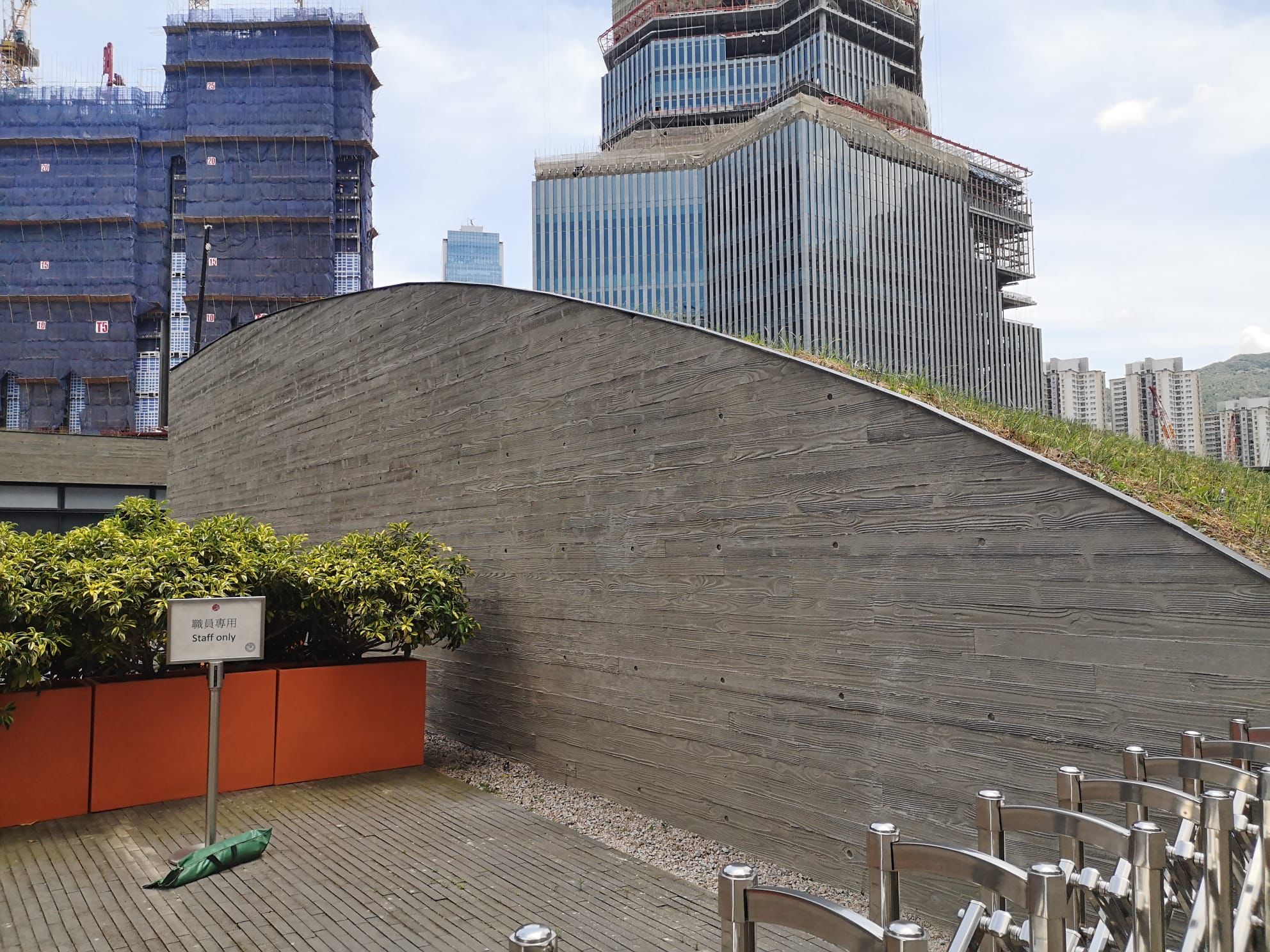
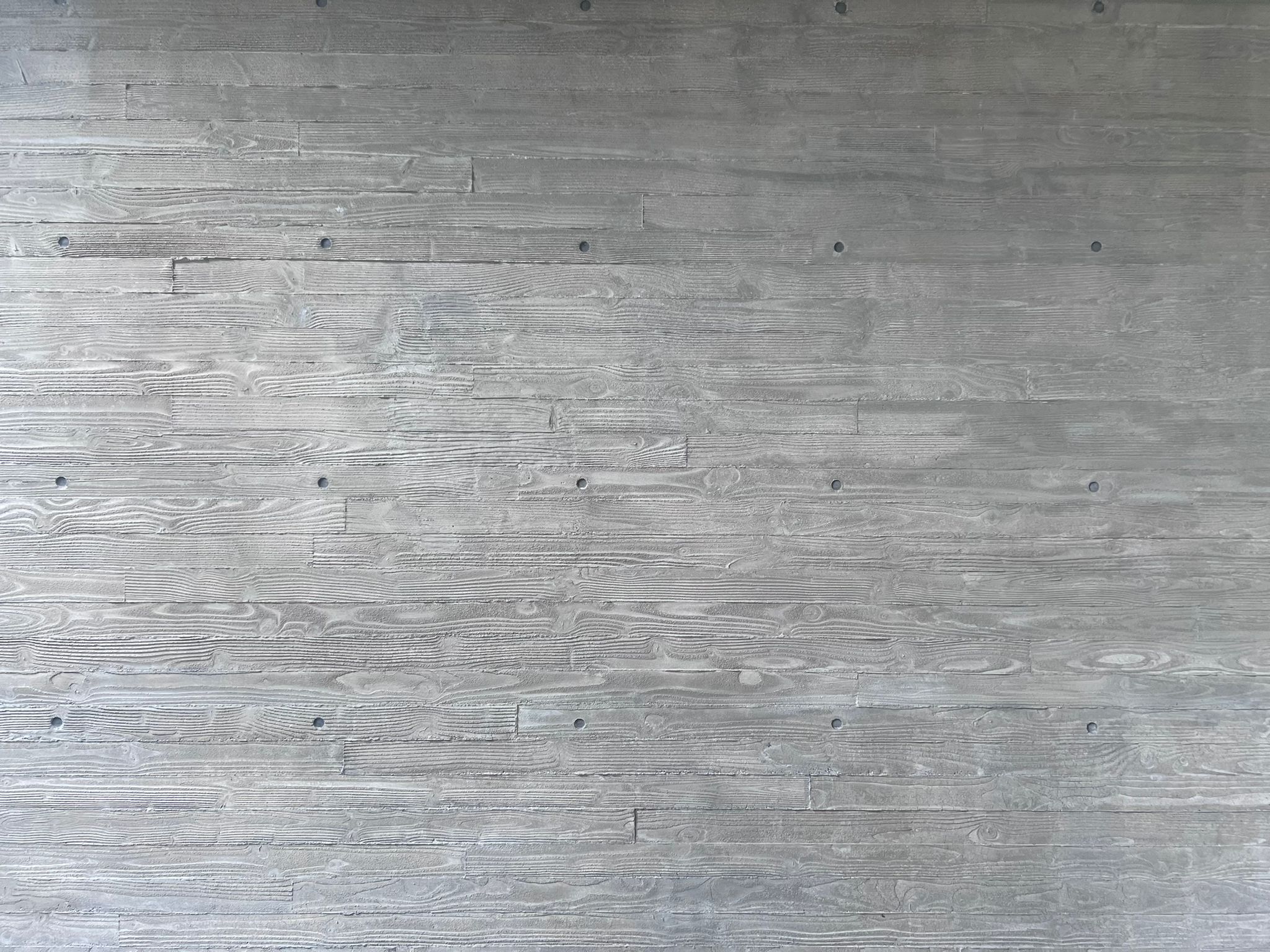
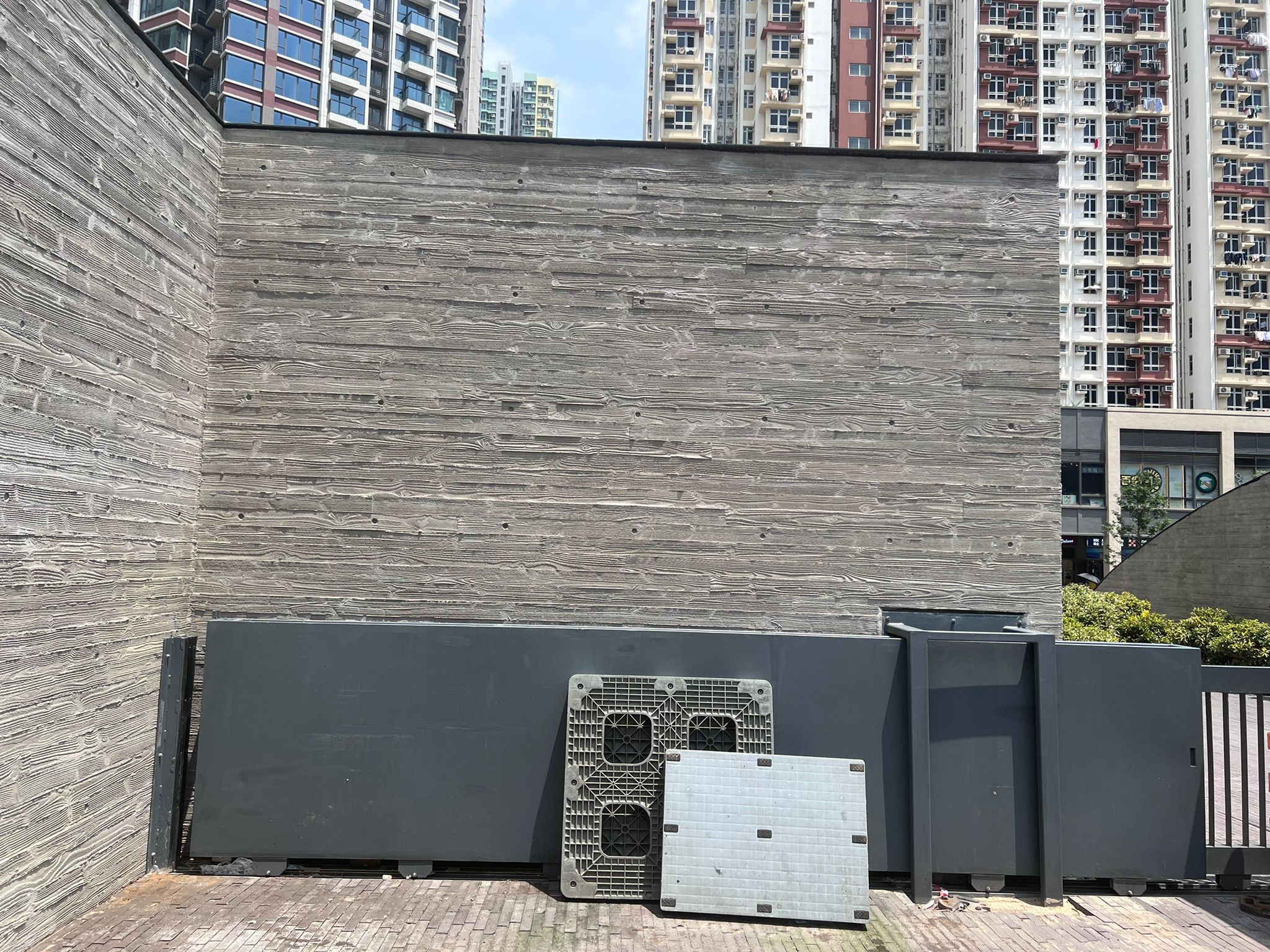
Theme cement plastering is a decorative technique where cement plaster is applied and shaped to fit a specific style or concept, often enhancing artificial rock work or standalone themed environments. It’s about adding texture, color, and detail to surfaces to support a narrative or aesthetic—like a “desert cliff” or “medieval castle” vibe. Key aspects include:
- Base Layer: A cement mix (sometimes with sand, lime, or additives for workability) is spread over a surface, like walls or the framework of artificial rock work.
- Texturing: Tools or stamps create patterns—think rough stone, weathered wood, or intricate carvings—tailored to the theme.
- Thematic Enhancement: Colors, aggregates, or even embedded objects (like faux fossils) are added to deepen the story. For instance, a jungle-themed wall might get green-tinted plaster with leaf imprints.
- Durability: The plaster is designed to withstand weather or wear, often sealed for longevity.
- Imagine a theme park ride with walls plastered to look like ancient ruins—cracked, mossy, and timeworn. That’s theme cement plastering at work, tying the visual experience together.
Artificial rock work and theme cement plastering often go hand-in-hand. The rock work builds the structure (say, a cave), while the plastering adds the thematic skin (like dripping stalactites or tribal etchings). Together, they create immersive, believable environments that can transform a space without the cost or logistics of natural materials. It’s practical creativity—engineering meets imagination.